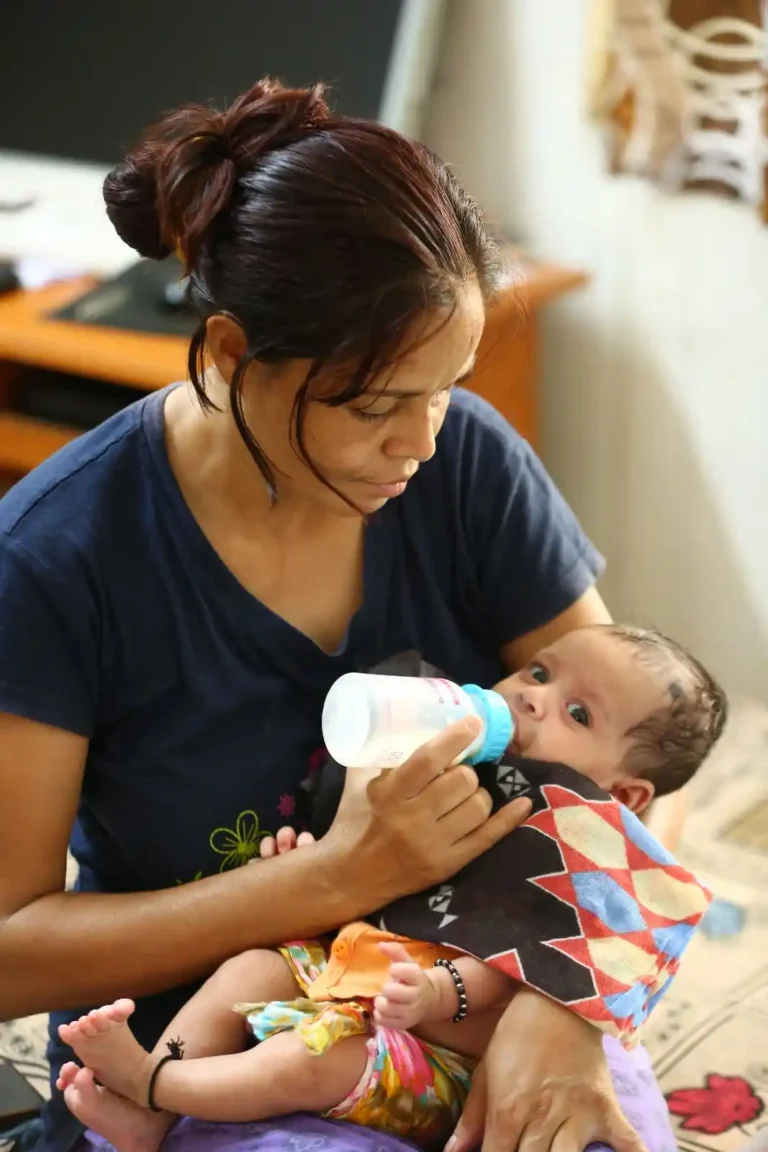


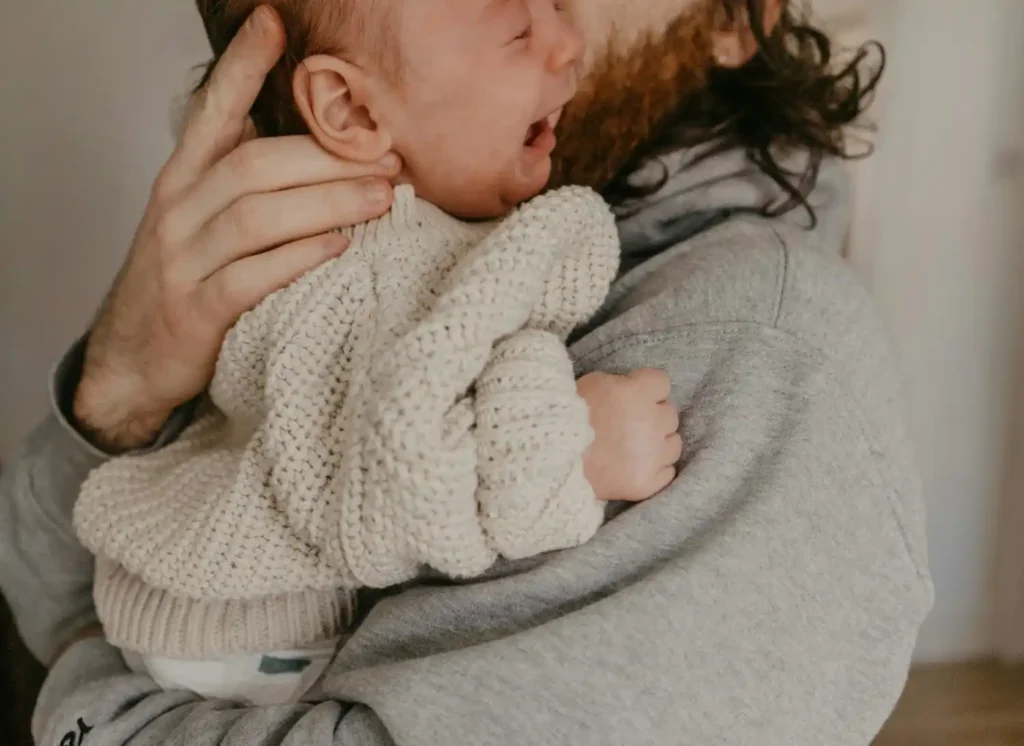
Why do babies fight sleep even when they’re tired? If your baby cries, squirms, arches their back, or refuses to settle at bedtime, you’re not alone. Many parents struggle with babies fighting sleep, especially during the newborn and infant stages.
An overtired baby, missed wake windows, overstimulation, or changing sleep needs can all cause babies to resist sleep even when they’re exhausted. Sleep struggles are common in the first year, particularly during the early newborn weeks when babies are still learning healthy sleep patterns.
👉 You may also like: The First 15 Days With a Newborn Nobody Prepares You For
👉 Read also: 10 Clear Signs Your Baby Is Overtired — And How to Help Them Settle Faster
In this guide, you’ll learn why babies fight sleep even when they’re tired, the most common causes of bedtime resistance, signs of overtiredness, and gentle ways to help your baby fall asleep more peacefully. 💛
Table of Contents
Why Babies Resist Sleep Even When They’re Exhausted
Babies do not have the same sleep regulation abilities as adults. Their bodies are still learning when to sleep and how to transition between sleep cycles.
Sometimes when babies stay awake too long, their body releases stress hormones such as cortisol. These hormones make the baby more alert instead of sleepy.
This is why an exhausted baby may suddenly appear more energetic, cry intensely, or refuse to lie down. Although it seems contradictory, overtiredness can actually make sleep more difficult.
Sleep struggles are especially common in the early days after birth. Many parents notice their baby fighting sleep during the first 15 days with a newborn, as babies adjust to life outside the womb.
Learning to recognize and respond to early sleep signals can prevent this cycle.
Common Reasons Babies Fight Sleep
There are several reasons why babies resist sleep even when they need it.
Overtiredness
One of the most common causes is overtiredness. When babies remain awake beyond their natural sleep window, their bodies become overstimulated.Instead of relaxing, they may cry more, move restlessly, or resist being put down.
Sometimes babies fight sleep because they become overtired. Learning to recognize early tired signals can make bedtime much easier. In this guide, we explain 10 Clear Signs Your Baby Is Overtired and How to Help Them Settle Faster.
“Babies also wake frequently because their sleep cycles are still developing, which is a normal part of early growth and brain development.”“If your baby is waking very frequently — even every 30 minutes — it could be linked to overtiredness and disrupted sleep cycles.
Here’s a helpful guide on why babies wake up every 30 minutes.”
Overstimulation
Babies are highly sensitive to their surroundings.
Bright lights, loud environments, visitors, or too much activity close to bedtime can overwhelm their developing nervous system.
When babies are overstimulated, their brain struggles to calm down, making it harder to fall asleep.
Hunger or Growth Spurts
Babies grow rapidly during the first year of life.
During growth spurts, they may wake more frequently or struggle to settle because their body needs additional feeding and comfort.
Sleep patterns can temporarily change during these periods.
Developmental Milestones
Learning new skills like rolling over, sitting up, or crawling can also disrupt sleep.
A baby’s brain may remain active while practicing these new abilities, even during bedtime.
This excitement sometimes makes babies resist sleep even when they are tired.
Separation Anxiety
As babies grow, they begin to recognize when caregivers leave the room.
Around six to nine months, separation anxiety can develop. Babies may resist sleep because they want to remain close to their parents.
Signs Your Baby Is Ready for Sleep

Recognizing early sleep cues can make bedtime much easier.
Babies usually show subtle signals before becoming overtired.
Some common signs your baby is ready for sleep include:
- rubbing eyes or face
- yawning frequently
- staring quietly into spaces
- lower body movements
- becoming slightly fussy
- turning their head away from stimulation
- losing interest in toys or interaction
Responding to these early signals can help babies fall asleep more easily.
Waiting too long may lead to overtiredness, which often makes bedtime more challenging.
Tips to Help Your Baby Fall Asleep Faster
Helping babies relax before bedtime can make a big difference in how quickly they fall asleep.Here are some gentle strategies many parents find helpful:
Preparing the right supplies can make newborn care easier. Here are some practical essentials for new moms in India that can help during the early weeks.
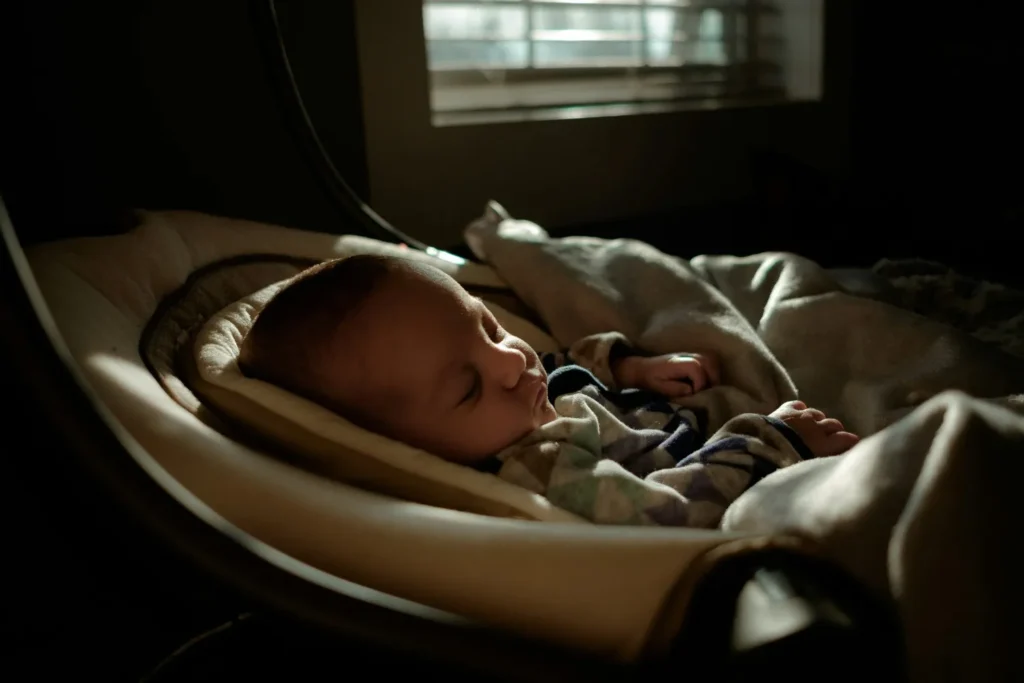
Create a Calm Sleep Environment
A peaceful environment signals to your baby’s brain that it is time to sleep.
Try reducing stimulation by:
- dimming the lights
- lowering background noise
- speaking softly
- limiting active play before bedtime
A calm setting helps babies relax and transition into sleep more smoothly.
Follow a Consistent Bedtime Routine
Babies feel secure when routines are predictable.
A short bedtime routine repeated each evening can prepare your baby for sleep.
Common bedtime routines include:
- warm bath
- feeding
- reading a short story
- singing a lullaby
- cuddling quietly
Over time, babies begin to associate these steps with sleep.
“If your little one resists naps, learn why baby won’t sleep during the day and what helps.”
Use Gentle Motion
Many babies feel comforted by rhythmic movement.
Rocking, walking with your baby, or gentle swaying can calm their nervous system.
This soothing motion often helps babies relax enough to fall asleep.
Offer Skin-to-Skin Comfort
Physical closeness helps babies regulate their breathing, heart rate, and temperature.
Holding your baby close or providing skin-to-skin contact can reduce stress and promote relaxation.This connection often helps babies settle faster.
When Parents Should Seek Medical Advice
Sleep challenges are common during infancy.
However, parents should speak with a pediatrician if:
- the baby cries excessively during sleep attempts
- sleep problems continue for several weeks
- the baby seems uncomfortable or in pain
- feeding or growth is affected
A healthcare professional can rule out conditions such as reflux, allergies, or other discomforts that might interfere with sleep.
Looking for more parenting tips and newborn care advice?
Visit Wordsfloww for practical guides, honest mom-life experiences, and simple solutions for everyday parenting.
Final Thoughts
Babies fighting sleep can be exhausting for parents, but it is a normal part of development.
Because babies are still learning how to regulate their sleep cycles, they may sometimes resist sleep even when they are clearly tired.
By watching for early sleep cues, creating calming routines, and understanding the reasons behind sleep resistance, parents can help their baby develop healthier sleep habits over time.
Many babies fight sleep when their wake windows are too long or too short.
With patience and consistency, bedtime can gradually become a calmer and more predictable experience for both baby and parent.
Frequently Asked Questions About Babies Fighting Sleep
Why does my baby fight sleep even when they are tired?
Babies often fight sleep when they become overtired, overstimulated, or uncomfortable. When a baby stays awake too long, their body releases stress hormones that make it harder for them to relax and fall asleep.
How do I know if my baby is ready for sleep?
Babies usually show early sleep cues such as rubbing their eyes, yawning, staring into space, slower movements, or mild fussiness. Putting your baby down when these signs appear can help prevent overtiredness.
Why does my baby cry more at bedtime?
Babies may cry at bedtime if they are overtired, overstimulated, hungry, or adjusting to new sleep routines. A calm bedtime routine and a quiet sleep environment can help them settle more easily.
How can I help my baby fall asleep faster?
Creating a consistent bedtime routine, reducing stimulation before sleep, and recognizing early sleep cues can help babies relax and fall asleep faster.
Is it normal for babies to resist sleep?
Yes, it is very common for babies to resist sleep, especially during growth spurts or developmental changes. As babies grow and their sleep patterns mature, bedtime usually becomes easier.

Neha Bhandari is a mom and parenting writer who shares practical, easy-to-understand guidance for new parents. Through Wordsfloww, she writes about newborn care, baby sleep, feeding, early development, and the everyday challenges of parenthood. Her goal is to make the early years feel a little less overwhelming with simple, research-informed guidance and relatable experiences.