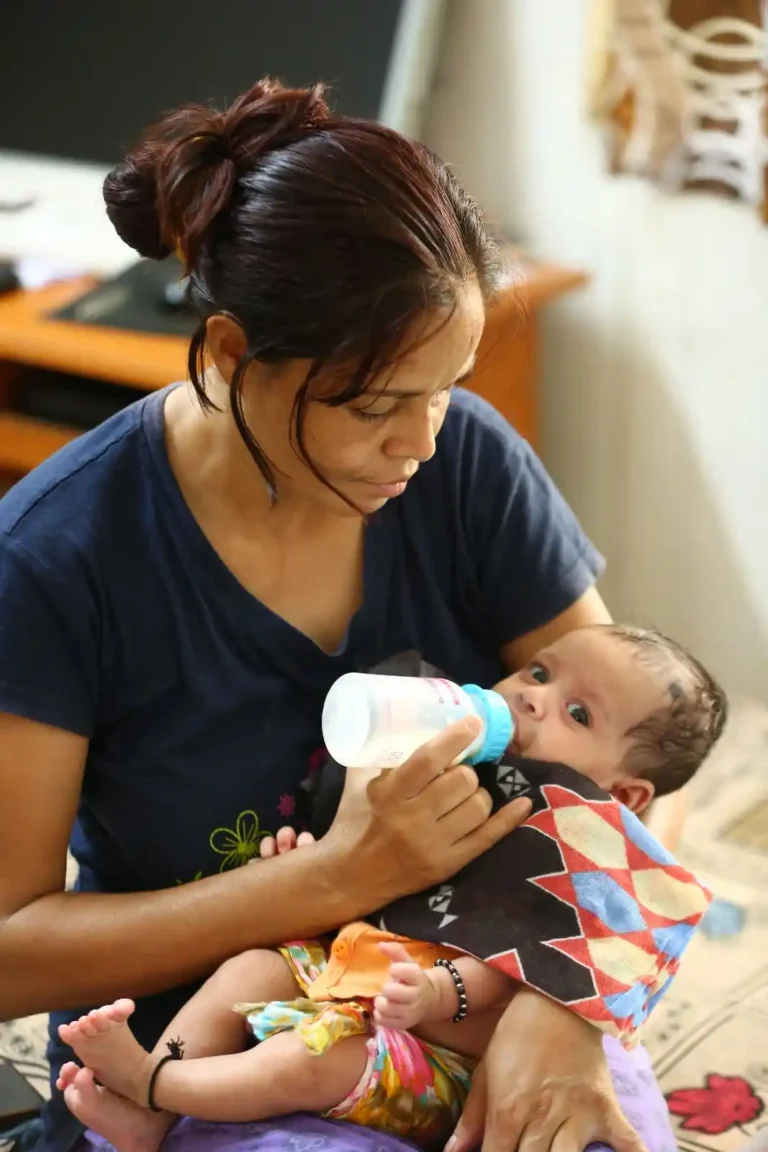



The first 15 days with a newborn can feel beautiful, emotional, exhausting, and completely overwhelming—all at the same time. One moment you’re staring at your baby in disbelief, and the next, you’re running on broken sleep, endless feedings, and wondering if you’re doing anything right.
For many new moms, those early newborn days don’t feel calm or picture-perfect. They feel messy, emotional, and full of constant learning. From feeding struggles and diaper changes to sleep deprivation and physical recovery, the first two weeks after bringing your baby home can feel like survival mode.
If you’re currently navigating the first 15 days with a newborn, take a deep breath—you are not alone. This guide shares what new parents can realistically expect during those early days, along with gentle tips to help you care for your baby and yourself with more confidence and less pressure.
Table of Contents
What the First 15 Days Really Look Like
Let’s set expectations straight. The first two weeks are not about routines or perfection.
They are about adjustment and survival.
During this phase, your newborn is:
- Learning to breathe, digest, sleep, and feed outside the womb
- Adjusting to light, sound, and touch
- Communicating mainly through crying
And you are:
- Healing (especially after delivery or C-section)
- Running on broken sleep
- Learning your baby’s signals
Your body needs time to recover, especially after surgery—here’s a gentle guide to post pregnancy weight loss after C-section that focuses on healing first.
This is not the time to “have it together.” It’s the time to slow down.
Days 1–3: Welcome Home Reality Check
- Frequent feeding (8–12 times a day)
- Short sleep cycles (30–90 minutes)
- Weight loss of up to 7–10% (normal and temporary)
- Irregular breathing patterns
Your baby might look sleepy one moment and cry intensely the next. That’s not a bug—it’s a feature.
One common challenge during the first weeks is an overtired baby. Here are the 10 clear signs your baby is overtired and what you can do to help.
Parent Tip
Don’t track everything obsessively. Watch your baby, not the clock.
Feeding Your Newborn in the First 15 Days
Breastfeeding Basics
If you’re breastfeeding, expect:
- Cluster feeding (especially at night)
- Sore nipples in the early days
- Milk coming in around day 2–4
This is biologically normal. According to the World Health Organization, frequent feeding helps establish milk supply.
Formula Feeding Is Also Okay
If you’re formula-feeding:
- Feed on demand, not by rigid schedules
- Watch hunger cues (rooting, sucking motions)
- Don’t force the bottle
What matters most is a fed baby and a calm parent.
Source: https://www.cdc.gov/nutrition/infantandtoddlernutrition
Sleep Patterns: What to Expect (and Accept)

Newborns sleep 14–17 hours a day, but not in long stretches. They wake often because:
- Their stomachs are tiny
- They need frequent feeds
- Their circadian rhythm isn’t developed
Safe Sleep Essentials
- Always place baby on their back
- Use a firm mattress
- No pillows, blankets, or toys
A tip as a new mom : If someone says “Sleep when the baby sleeps,” smile politely and ignore them.
Constant sleep deprivation can take an emotional toll, and these are some signs you may be emotionally drained during early motherhood.
Diaper Changes & Baby Hygiene
In the first 15 days:
- 6–10 wet diapers daily is healthy
- Poop color may change from black → green → yellow
- Sponge baths are enough until the cord falls off
Umbilical Cord Care
- Keep it clean and dry
- Don’t apply powders or oils
- It usually falls off within 1–2 weeks
Crying: Understanding Your Baby’s Language

Crying is not manipulation. It’s communication.
Common reasons include:
- Hunger
- Dirty diaper
- Gas
- Need for comfort
If your baby cries despite everything, pause. Hold them. Breathe.
Sometimes babies cry because adjusting to the world is hard.
Maternal Recovery During the First 15 Days After Birth
Your body needs care too.
The first 15 days after childbirth are a period of healing, adjustment, and learning. While caring for a newborn becomes the priority, new mothers also need time and support to recover physically and emotionally. Every recovery journey is different, so it is important to listen to your body and take things one day at a time.
- Rest whenever possible. Sleep may be interrupted, but short naps when your baby sleeps can help your body recover and restore energy.
- Stay hydrated and eat nourishing foods. A balanced diet rich in fruits, vegetables, proteins, and whole grains supports healing and provides energy, especially for breastfeeding mothers.
- Expect postpartum bleeding. Vaginal bleeding, known as lochia, is normal after delivery and can continue for several weeks. It gradually becomes lighter over time.
- Take care of sore muscles and stitches. Whether you had a vaginal birth or a C-section, some discomfort is expected. Follow your healthcare provider’s advice for pain relief and wound care.
- Manage breast changes. Breast engorgement, tenderness, and leaking milk are common as your milk supply adjusts. Frequent feeding can help ease discomfort.
- Accept help from family and friends. Allowing others to assist with household tasks, meals, or baby care can reduce stress and give you valuable time to recover.
- Pay attention to your emotional well-being. Hormonal changes, lack of sleep, and new responsibilities can bring mood swings and emotional ups and downs. It is normal to feel overwhelmed at times.
- Take gentle walks if approved by your doctor. Light movement can improve circulation, boost mood, and support recovery without overexerting yourself.
- Attend postpartum checkups. These appointments help ensure your recovery is progressing well and provide an opportunity to discuss any concerns.
- Know when to seek medical help. Contact your healthcare provider if you experience heavy bleeding, severe pain, fever, signs of infection, or feelings of extreme sadness or anxiety that do not improve.
After Vaginal Birth
- Expect bleeding (lochia) for several weeks
- Pelvic soreness is common
- Rest supports post-pregnancy recovery after delivery
After C-Section
- Avoid heavy lifting
- Keep the incision clean and dry
- Ask for help—this is not weakness
Healing faster comes from rest, not rushing.Once healing is underway, focusing on post pregnancy weight loss after C-section should be gentle, gradual, and aligned with your body’s recovery timeline.
Emotional Changes: Baby Blues Are Real
Up to 80% of new mothers experience baby blues in the first two weeks. Signs you’re emotionally tired as a new parent:
- Mood swings
- crying spells
- anxiety
However, if sadness feels intense or lasts beyond two weeks, speak to a professional.
Source: https://www.postpartum.net
For partners: emotional support matters more than advice. Listen more. Fix less.
Do We Need to Wake a Newborn Every 3 Hours for Feeding?,
Short answer: Sometimes—especially in the first 15 days.
Newborns have tiny stomachs and limited energy reserves. Regular feeding supports healthy growth during the early days.
When You Should Wake Your Baby
In the first two weeks, doctors often recommend waking newborns for feeding if:
- Your baby is under two weeks old
- Birth weight has not yet been regained
- The baby was born preterm or low birth weight
- Your doctor has advised scheduled feeds
Feeding every 2–3 hours helps maintain stable blood sugar levels and supports milk supply in breastfeeding parents.
When You May Not Need to Wake Your Baby
You can usually allow longer sleep stretches if:
- Your baby has regained their birth weight
- They feed well during the day
- Wet diapers are 6 or more per day
- Your pediatrician confirms healthy growth
Practical Tips for Gentle Wake-Ups
- Unswaddle the baby
- Change the diaper before feeding
- Use soft voice or skin-to-skin contact
Avoid loud noises or sudden stimulation. Calm waking works better.
How to Tell If Your Newborn Is Feeding Enough in the First 15 Days
New parents often worry about feeding—but babies give clear signs when things are going well.
Signs Your Baby Is Getting Enough Milk
Look for these reassuring indicators:
- 6–10 wet diapers daily after day four
- Regular bowel movements (color may vary)
- Steady weight gain after initial loss
- Baby seems relaxed after feeds
These signs matter more than exact feeding minutes.
Hunger Cues to Watch For
Crying is a late sign. Earlier cues include:
- Rooting (turning head toward touch)
- Sucking motions
- Hand-to-mouth movement
Responding early makes feeding smoother and less stressful.
When Feeding May Need Support
Consider professional help if:
- Baby feeds for very short or very long periods
- Weight gain remains slow
- Feeds feel painful or exhausting
Lactation consultants and pediatricians offer practical solutions early.
Newborn Jaundice: What Parents Should Know in the First 15 Days
One common concern during the first few days with a newborn is jaundice. Jaundice causes a baby’s skin and the whites of their eyes to appear yellow. It happens because a newborn’s liver is still developing and may not be able to remove bilirubin efficiently.
In many cases, mild jaundice is normal and usually appears between the second and fourth day after birth. Most babies recover without any treatment, but it is important to monitor the symptoms and attend all scheduled pediatric appointments.
Signs of newborn jaundice include:
- Yellowing of the skin and eyes
- Increased sleepiness
- Difficulty feeding
- Dark-colored urine or pale stools
Frequent feeding can help babies pass bilirubin through their stools. Breastfed babies should continue feeding regularly, and parents should watch for adequate wet and dirty diapers.
Always contact your pediatrician if your baby’s jaundice appears to worsen, spreads to the arms and legs, or if your baby becomes difficult to wake for feeds. Early monitoring and treatment can prevent complications and ensure your baby stays healthy.
While jaundice can be worrying for new parents, remember that it is a common condition and, in most cases, resolves within a few weeks with proper care and guidance from your healthcare provider.
Visitors, Advice & Boundaries
Everyone loves a newborn. That doesn’t mean everyone needs access.
- Say no to visitors
- Delay phone calls
- Ignore unsolicited advice
Your baby doesn’t need a crowd. They need calm caregivers.
Practical Survival Tips for New Parents
Simple self-care habits during early motherhood:
- Eat simple, nourishing meals
- Keep water within reach
- Nap whenever possible
- Accept help without guilt
- Lower expectations
You’re not failing. You’re learning.
When to Call a Doctor
Seek medical advice if your newborn has:
- Fever above 100.4°F (38°C)
- Refuses feeds repeatedly
- Fewer wet diapers
- Yellowing skin worsening
Trust your instincts. Parents notice changes first.
For women-focused lifestyle and wellness insights, visit Wordsfloww.
The Big Truth About the First 15 Days
These days feel long—but they pass quickly. You don’t need to enjoy every moment. You just need to show up.
Love grows through care, patience, and presence—not perfection.
Frequently Asked Questions (FAQs)
1. How often should a newborn feed in the first 15 days?
Newborns usually feed 8 to 12 times in 24 hours during the first 15 days. Frequent feeding supports healthy growth, hydration, and milk supply. Feeding on demand is recommended rather than following a strict schedule at this stage.
2. Is it normal for newborns to sleep a lot in the first two weeks?
Yes. Newborns sleep around 14 to 17 hours a day in short cycles during the first two weeks. This pattern is normal because their nervous system is still developing and they wake often for feeding and comfort.
3. How many wet diapers should a newborn have each day?
By day four or five, a healthy newborn should have at least six wet diapers per day. This indicates proper hydration and adequate feeding. Fewer wet diapers may signal feeding issues and should be discussed with a doctor.
4. Is newborn weight loss normal after birth?
Yes. Most newborns lose up to 7–10% of their birth weight in the first few days. This is normal and temporary. Babies usually regain their birth weight within 10 to 14 days with regular feeding.
5. When should parents contact a doctor during the first 15 days?
Parents should contact a doctor if a newborn has a fever above 100.4°F (38°C), refuses multiple feeds, produces very few wet diapers, or shows worsening yellow skin or eyes. Early medical advice helps prevent complications.

Neha Bhandari is a mom and parenting writer who shares practical, easy-to-understand guidance for new parents. Through Wordsfloww, she writes about newborn care, baby sleep, feeding, early development, and the everyday challenges of parenthood. Her goal is to make the early years feel a little less overwhelming with simple, research-informed guidance and relatable experiences.