

High blood pressure often develops silently, putting stress on your heart, brain, and kidneys long before you notice anything wrong. Many people feel perfectly fine while their blood pressure slowly rises, which is why it is often called a “silent condition.”
The reassuring part is this: you are not powerless. You can take meaningful steps today to protect your health.
Understanding how to lower blood pressure naturally empowers you to make informed, practical choices about your lifestyle. In many cases, small but consistent daily habits can lead to noticeable improvements within a few weeks — sometimes even reducing the need for medication under medical guidance.
This guide focuses on safe, evidence-based, and realistic strategies that fit into everyday life, so you can support your heart health with confidence and clarity.
What Is High Blood Pressure?
Blood pressure measures the force of blood against artery walls.
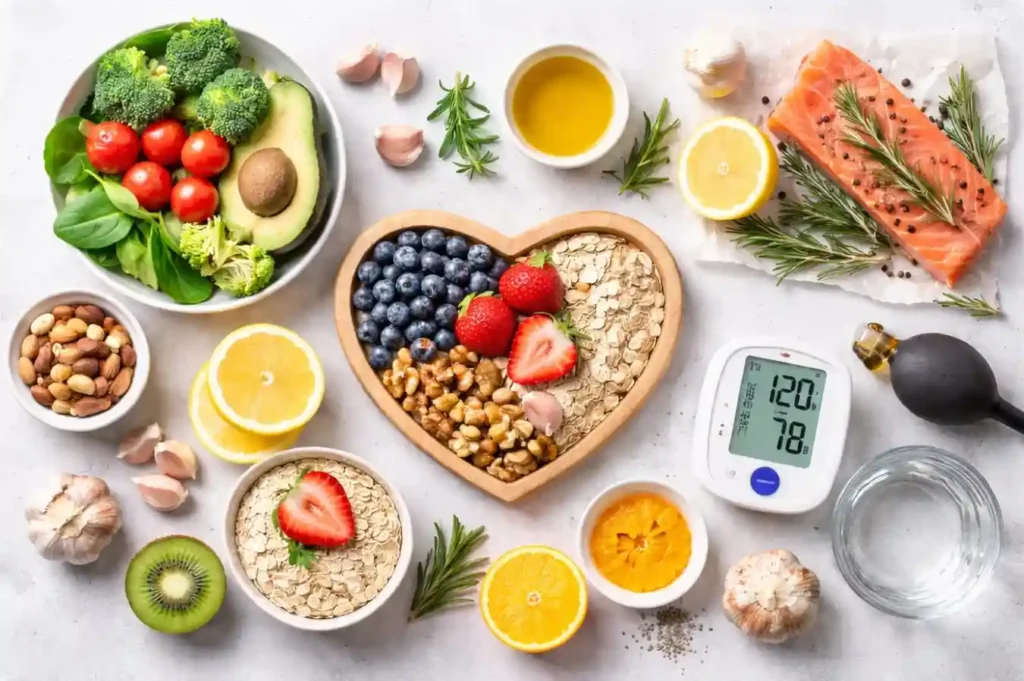
A healthy reading stays near 120/80 mm Hg.
Hypertension begins when readings remain at 130/80 mm Hg or higher.
According to the World Health Organization, over 1.28 billion adults worldwide live with high blood pressure — and nearly half remain undiagnosed.
Why Natural Blood Pressure Control Matters
High blood pressure raises the risk of:
- Heart attack
- Stroke
- Kidney failure
- Vision loss
- Cognitive decline
Medication helps many people, but lifestyle changes often produce powerful results on their own — especially in early stages.
1. Eat for Lower Blood Pressure
Food shapes blood pressure more than any other habit.
Follow the DASH Eating Pattern
The DASH diet (Dietary Approaches to Stop Hypertension) consistently lowers blood pressure in clinical studies.
It emphasizes:
- Vegetables
- Fruits
- Whole grains
- Lean proteins
- Nuts and seeds
- Low-fat dairy
Reduce Sodium Intake
Excess salt stiffens blood vessels and raises pressure.
The American Heart Association recommends staying under 1,500 mg of sodium per day.
Increase Potassium
Potassium helps remove excess sodium and relaxes blood vessel walls.
Best sources:
- Bananas
- Spinach
- Sweet potatoes
- Avocados
- Beans
Bananas are rich in potassium, and having one banana in the morning can support healthy blood pressure levels.
2. Move Your Body Daily
Exercise strengthens the heart and improves circulation.
Aim for 30 minutes of moderate activity at least 5 days per week.
Great options include:
- Brisk walking
- Cycling
- Swimming
- Dancing
- Yoga
Even a daily walk can lower systolic blood pressure by 5–8 mm Hg.
3. Maintain a Healthy Weight
Extra weight forces the heart to pump harder.
Losing just 5–10% of body weight often produces noticeable improvements in blood pressure.
Small changes build powerful results.
4. Manage Stress Before It Manages You
Chronic stress keeps blood pressure elevated through constant hormone release.
Effective Stress-Relief Tools
- Deep breathing
- Meditation
- Nature walks
- Prayer
- Journaling
- Slow stretching
A study published by the National Institutes of Health confirms that mindfulness practices significantly improve blood pressure control.
5. Improve Your Sleep Quality
Poor sleep raises blood pressure and damages hormone balance.
Adults need 7–9 hours of quality sleep each night.
Better sleep habits:
- Consistent bedtime
- Dark, cool bedroom
- No screens 60 minutes before bed
- Light evening meals
6. Stop Smoking Completely
Smoking damages artery walls, increases stiffness, and spikes blood pressure.
The body begins healing within hours of quitting.
Your heart starts repairing almost immediately.
7. Limit Alcohol Intake
Excess alcohol raises blood pressure and weakens heart muscle.
- Men: max 2 drinks per day
- Women: max 1 drink per day
Less always works better.
8. Watch Caffeine Sensitivity
Caffeine temporarily increases blood pressure in many people.
If your readings rise after coffee, reduce intake and switch to:
- Herbal tea
- Green tea
- Warm lemon water
9. Stay Well Hydrated
Water keeps blood volume stable and supports healthy circulation.Proper hydration plays a vital role in circulation and overall health—explore the benefits of proper hydration.
Aim for 2–3 liters per day, depending on climate and activity level.
10. Monitor Your Blood Pressure at Home
Tracking keeps you motivated and informed.
Use a validated home monitor and record readings:
- Same time each day
- Seated and relaxed
- After resting 5 minutes
Share records with your healthcare provider.
11. Natural Supplements and Herbs That Support Healthy Blood Pressure
Many people ask if supplements can help when learning how to lower blood pressure naturally.While lifestyle remains the foundation, certain natural supplements and herbs offer additional support when used correctly.
Magnesium
Magnesium relaxes blood vessels and improves circulation.
Low magnesium levels often appear in people with hypertension.
Food sources include:
• Pumpkin seeds
• Spinach
• Almonds
• Black beans
Supplement form may help if dietary intake remains low, but always consult your doctor before starting.
Potassium
Potassium balances sodium and reduces fluid pressure in blood vessels.
Adequate intake significantly improves blood pressure control.
Natural sources:
•Bananas
• Oranges
• Coconut water
• Sweet potatoes
• Lentils
People with kidney conditions should avoid potassium supplements without medical supervision.
Garlic
Garlic improves nitric oxide production, allowing blood vessels to relax.
Multiple studies show garlic supplements can reduce systolic and diastolic pressure.
You can use:
• Fresh crushed garlic in meals
• Aged garlic extract supplements
Omega-3 Fatty Acids
Omega-3s reduces inflammation and improves artery flexibility.
Best natural sources:
• Fatty fish (salmon, sardines, mackerel)
• Chia seeds
• Flaxseeds
• Walnuts
Hibiscus Tea
Hibiscus acts as a mild natural ACE inhibitor and supports blood pressure reduction.
Drink 1–2 cups daily for gentle support.
Important Reminder
Supplements support — they do not replace — healthy lifestyle habits.
Always inform your doctor before adding any supplement, especially if you take blood pressure medication.
12. Building a Long-Term Lifestyle Plan for Lasting Blood Pressure Control
Lowering blood pressure naturally is not about temporary effort.
It’s about creating a lifestyle that protects your heart for life.
Start Small and Stay Consistent
Long-term success comes from habits you enjoy and repeat.
Begin with:
• A 15-minute daily walk
• One vegetable added to each meal
• Drinking an extra glass of water
• Five minutes of deep breathing before bed
Small steps build powerful momentum, and adopting simple habits that quietly improve mental health can also support consistency, stress control, and long-term heart health.
Design Your Environment for Success
Your surroundings influence your choices.
Helpful strategies:
• Keep fruits visible and snacks hidden
• Place walking shoes near the door
• Prepare healthy snacks in advance
• Set reminders for water and movement
Create a Weekly Heart Routine
Structure builds discipline without stress.
Example:
• 5 days of walking
• 2 strength sessions
• Daily stress-reduction practice
• Meal planning once per week
• Weekly blood pressure check
Stay Motivated
Track your progress in a journal or app.
Celebrate every improvement — even small drops in blood pressure matter.
When motivation fades, reconnect with your purpose:
better energy, longer life, clearer mind, stronger heart.
Involve Your Support System
Share your goals with family or friends.
Walking partners and accountability make habits stick.
Adapt, Don’t Quit
Life changes. Your routine can change with it.
When stress rises or schedules shift, adjust your plan instead of abandoning it.
Consistency over perfection always wins.
Common Myths
Myth: Only medication works.
Truth: Lifestyle changes often produce dramatic improvement.
Myth: Natural methods take too long.
Truth: Many people see progress within 2–4 weeks.
Your Daily Heart Health Checklist
- Eat mostly whole foods
- Walk at least 30 minutes
- Drink enough water
- Sleep 7–9 hours
- Reduce salt and alcohol
- Practice stress relief
- Track blood pressure
Follow this consistently and your heart will respond.
Final Thoughts
Learning how to lower blood pressure naturally empowers you to protect your future.
These habits do more than lower numbers —
they strengthen your heart, sharpen your mind, improve sleep, and boost energy.
Start today.
Your heart will thank you for decades.
For more practical health and lifestyle guides, visit Wordsfloww.
Medical Disclaimer
The information provided in this article is for educational and informational purposes only and is not intended as medical advice. It does not replace professional diagnosis, treatment, or consultation with a qualified healthcare provider.
Always consult your physician, cardiologist, or licensed healthcare professional before making any changes to your diet, exercise routine, medication, or lifestyle—especially if you have existing medical conditions, are pregnant, breastfeeding, or currently taking prescription medications.
The authors and publishers of this content are not responsible for any adverse effects or consequences resulting from the use of information presented in this article.
FAQs: How to Lower Blood Pressure Naturally
1. Can blood pressure be lowered naturally?
Yes. Healthy eating, regular exercise, stress control, good sleep, and weight management can significantly lower blood pressure.
2. How fast can natural methods work?
Most people see improvement within 2–4 weeks of consistent lifestyle changes.
3. What food lowers blood pressure quickly?
Leafy greens, bananas, berries, oats, beans, avocados, and low-fat dairy support faster improvement.
4. Does walking reduce blood pressure?
Yes. Walking 30 minutes daily can lower systolic pressure by 5–8 mm Hg.
5. Can stress increase blood pressure?
Yes. Chronic stress triggers hormone spikes that raise blood pressure over time.