


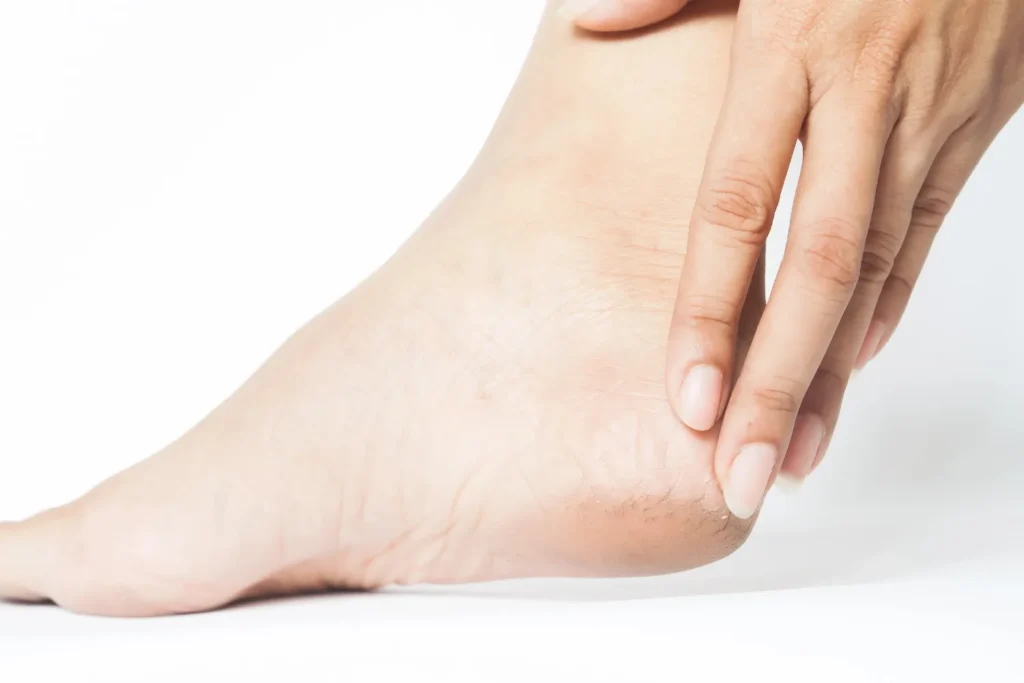
If you’ve ever looked at your heels and thought, “Why do they look like this?” — trust me, I’ve been there. My heels were so dry and cracked that even walking felt uncomfortable. I used to hide my feet in socks all day because I was embarrassed to wear sandals.
But the good news? I fixed my cracked heels at home without expensive treatments. Let me share exactly what worked for me, what didn’t, and how you can heal yours too.
Why My Heels Started Cracking
At first, I didn’t take it seriously. I kept wearing slippers all day, ignored dryness, and loved long hot showers. Slowly, the skin around my heels got thicker, rougher, and finally — it cracked.
I realised cracked heels happen because of:
- Dry skin
- Standing a lot
- Open-back slippers
- Hot water
- Lack of foot care
And honestly… I was doing all of these.
Which Deficiency Caused My Cracked Heels?
When my cracks kept coming back, I did some research and even asked my doctor. Turns out, certain nutrient deficiencies can make your skin dry and weak.
The most common ones include:
Vitamin E deficiency – makes skin dry
Omega-3 deficiency – reduces natural moisture
Vitamin B3 (Niacin) deficiency – causes roughness
Zinc deficiency – slows healing
Iron deficiency – can worsen dryness
So I started adding nuts, seeds, eggs, leafy veggies, and more water to my daily routine. It made a huge difference over time.
Increasing my water intake helped restore skin softness and healing, reinforcing the benefits of hydration for dry, cracked skin.
The Fastest Way I Healed My Cracked Heels (My 7-Day Routine)
I followed a simple night routine every day, and by Day 7, my heels looked completely different — soft, smooth and clean.
I always did this routine at night, especially a 10-minute foot soak before bed, when skin repair naturally happens faster.
⭐ Step 1 : Warm Water Foot Soak
I soaked my feet for 10–15 minutes in warm water with a little salt and shampoo.
This helped soften the hard skin instantly.
⭐ Step 2: Gentle Scrubbing
I used a pumice stone and exfoliated lightly.
Not too hard — just enough to remove the dead skin.
⭐ Step 3: Deep Moisturising
This part changed everything.
I applied:
Petroleum jelly OR A thick foot repair cream
Then I let my feet rest for 5 minutes so the cream could sink in.
⭐ Step 4: Socks Overnight
I wore soft cotton socks to lock in moisture.The next morning, my feet already felt smoother.
After repeating this for a few days, the cracks almost disappeared.
Home Remedies for Cracked Heels I Personally Tried
1. Coconut Oil
it soothed the cracks and made my heels softer overnight.(Still doing this)
2. Glycerin + Rose Water
This became my daily nighttime ritual.My heels felt instantly hydrated.
3. Banana + Honey Pack
Yes, it sounds weird — but it works like magic!It made my heels super soft.
4. Aloe Vera GelI
I used fresh aloe at night.It cooled down the cracks and reduced redness.
5. Vaseline + Socks
The classic remedy — and honestly, the fastest fix.
Cracked Heels in Winter: My Experience
Winter was the worst for me.Every time the temperature dropped, my heels cracked more. What helped?
- Thick moisturiser
- Socks at night
- Avoiding hot water
- Applying oil after shower
This routine kept my feet soft even when the air was dry.
“Learn more about cracked heel causes on this dermatology guide.”https://www.dynamicfootandanklecenter.com/preventing-dry-cracked-heels-this-winter/
Cracked Heels in Summer: My Experience
In summer, my feet became dry because of open footwear and dust.
What worked for me:
- Moisturising after every bath
- Using sunscreen on heels
- Wearing closed-back footwear
- Scrubbing once a week
Summer heel care is all about protection.
How I Fixed My Cracked Heels Overnight (Quick Hack)
If I had to heal my heels quickly before going out, here’s what I did:
- 1. Soaked feet for 10 minutes
- 2. Scrubbed a little
- 3. Applied thick Vaseline
- 4. Wore socks overnight
Next morning: heels looked 40–50% better!
Mistakes I Made That Made My Cracked Heels Worse
Before learning proper foot care, I made many mistakes that slowed healing.
Avoid these common mistakes:
- Scrubbing too hard
- Using razor blades on cracks
- Skipping moisturiser
- Taking very hot showers
- Wearing open slippers all day
- Ignoring early dryness
Once I stopped these habits, healing became much faster.
How I Prevent Cracked Heels From Coming Back
Once my heels healed, I didn’t want to repeat the whole painful cycle again.
So I created a simple prevention routine that now takes me less than 5 minutes a day.
Here’s what I do:
- Moisturise my feet every night before bed
- Wear socks when sleeping (especially in winter)
- Avoid walking barefoot on rough floors
- Use mild soap instead of harsh body wash
- Drink enough water daily
- Scrub my heels gently once a week
Daily Foot Care Checklist (My Personal Rulebook)
I follow this checklist now without even thinking about it:
- 🦶 Wash feet with lukewarm water
- 🧴 Apply moisturiser while skin is still slightly damp
- 🧦 Wear soft socks at night
- 🪨 Use pumice stone once or twice a week
- 💧 Drink enough water
- 👟 Choose closed-back footwear outdoors
This routine keeps my heels smooth, healthy, and crack-free.
When I Knew I Needed Help
Once, my heels were so cracked they started bleeding.That’s when I saw a dermatologist.
Seek help if:
- Your cracks bleed
- You feel severe pain
- There’s swelling
- You have diabetes
Better safe than sorry.
Best Footwear Choices to Prevent Cracked Heels
Footwear plays a much bigger role in heel health than most people realise. After healing my heels, I noticed they stayed soft only when I chose the right shoes.
Poor footwear increases pressure on the heels and allows moisture to escape, leading to cracks again.
Footwear to avoid if you have cracked heels:
- Open-back slippers and sandals
- Hard soles without cushioning
- Tight footwear that rubs the heel
- Thin flip-flops worn for long hours
Extra tips I follow now:
- I switch footwear during the day to reduce pressure
- I avoid walking barefoot on tiles or concrete
- I wear cotton socks inside shoes to reduce dryness
Good footwear doesn’t just prevent cracks—it speeds up healing and keeps heels smooth long-term.
How Lifestyle Habits Affect Cracked Heels
I learned the hard way that foot creams alone can’t fix cracked heels if daily habits stay unhealthy. Small lifestyle changes made a visible difference in my skin texture.
Dry skin often reflects internal dehydration and daily stress on the body.
Habits that worsened my heel cracks:
- Sitting or standing for long hours without breaks
- Ignoring foot care after busy days
- Low water intake
- Irregular sleep routine
Lifestyle changes that helped healing:
- Drinking enough water throughout the day
- Taking short breaks if standing too long
- Elevating feet in the evening to reduce pressure
- Maintaining a consistent sleep routine
Why lifestyle matters:
- Skin repairs itself during rest
- Hydration improves skin elasticity
- Reduced pressure prevents new fissures
Once I corrected these habits, my heels stopped cracking repeatedly—even without heavy treatments.
How to Maintain Soft Heels All Year Long
After healing my cracked heels, maintenance became my priority. I didn’t want temporary results—I wanted permanent softness.
Consistency matters more than intensity when it comes to foot care.
My weekly heel maintenance plan:
- Moisturise daily (non-negotiable)
- Light exfoliation once a week
- Overnight socks 2–3 times weekly
- Foot soak once every 10–14 days
Season-based adjustments I follow:
- Winter: thicker creams, socks every night
- Summer: lighter moisturisers, dust protection
- Monsoon: keep feet dry, prevent fungal infection
Signs your heels need extra care:
- Skin looks dull or grey
- Slight roughness when touched
- Tight feeling after bathing
Responding early prevents deep cracks from forming again.
Soft heels aren’t about expensive products—they’re about regular care and mindful habits.
For more health and lifestyle content, visit Wordsfloww.
Conclusion: What Finally Worked for My Cracked Heels
Healing my cracked heels taught me one simple lesson — consistency matters more than quick fixes. I didn’t rely on expensive treatments or complicated routines. I focused on daily care, gentle habits, and listening to my skin.
Cracked heels don’t appear overnight, and they won’t disappear overnight either. But with the right home remedies, proper footwear, balanced nutrition, and small lifestyle changes, healing becomes possible — and long-lasting.
If your heels feel dry, rough, or uncomfortable, don’t ignore the early signs. Start caring for them today. A few minutes of daily attention can save you weeks of pain later.
Healthy heels aren’t about perfection. They’re about comfort, confidence, and self-care — and once you experience the difference, you’ll never go back.