


Living with PCOS can feel confusing and exhausting. Irregular periods, stubborn acne, sudden weight gain, and unexpected mood swings can make everyday life harder than it should be. But many women have found that simple, natural lifestyle habits can gently support the body and make symptoms far easier to manage.
Here’s some natural remedies and everyday habits that genuinely help women feel more balanced, more energized, and more connected with their bodies.
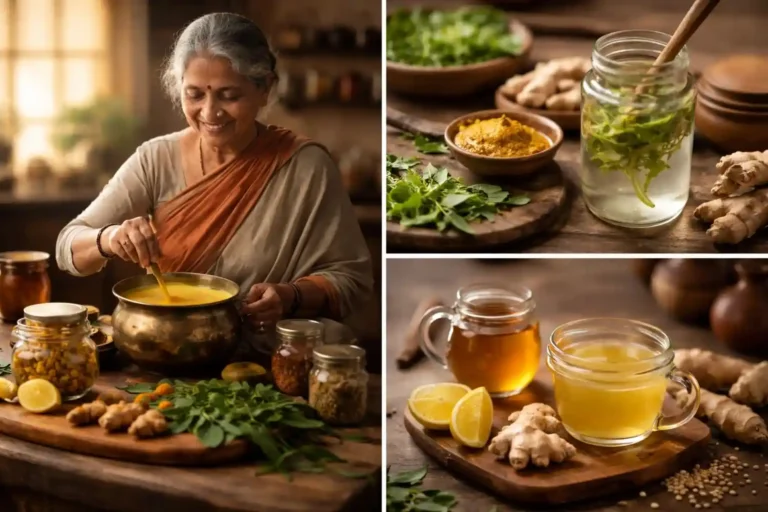
🌿 1. Begin the Day with a Hormone-Friendly Morning Drink
A balanced morning drink sets a calm tone for the day and helps reduce bloating, which is a common PCOS struggle. Many women find comfort in drinks like:
- Warm water with apple cider vinegar and honey
- Jeera (cumin) water
- Lemon water
- Cinnamon water
- Methi (fenugreek) soaked water
Benefits of these drinks:
- Reduce bloating
- Support digestion
- Improve insulin sensitivity
- Encourage natural detoxification
- Boost energy gently
These drinks gently boost metabolism, support digestion, and help the body stay balanced.
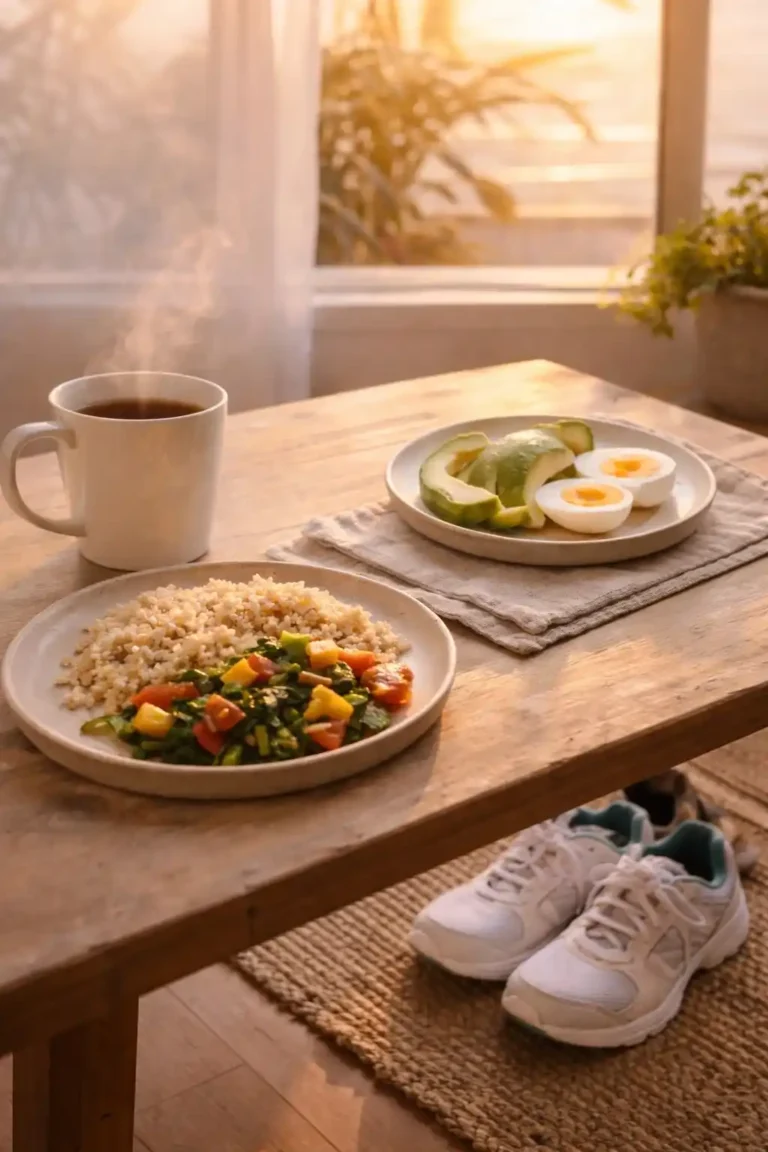
🥗 2. Choose a PCOS-Friendly Diet Without Feeling Restricted
A supportive diet doesn’t have to be boring or strict. Instead of cutting everything out, focus on adding foods that nourish hormones naturally:
Key dietary foundations:
- Protein with every meal
- High-fiber vegetables and whole fruits
- Healthy fats for hormone production
- Balanced carbohydrates
- Reduced sugar and refined foods
Foods that truly help:
✔ Protein-rich meals (paneer, eggs, lentils)
✔ High-fiber vegetables and whole fruits
✔ Healthy fats like nuts, seeds, and avocado
✔ Lower sugar and fewer refined carbs
Small, steady changes make the biggest impact — especially when the goal is long-term balance.
🧘♀️ 3. Move Gently But Consistently
Movement is one of the most powerful natural tools for managing PCOS. It doesn’t need to be intense or time-consuming. Even short routines help:
- 20–30 minutes of daily walking
- Yoga, especially Surya Namaskar
- Light home workouts
- Stretching routines
Benefits of daily movement:
- Improved blood sugar control
- Better sleep quality
- Reduced anxiety
- Increased energy
- Stronger metabolism
Consistent movement improves insulin levels, boosts mood, and helps regulate hormones naturally.
🌸 4. Try Seed Cycling for More Regular Periods
Many women have embraced seed cycling for its simple, natural benefits. It involves eating specific seeds during different phases of the menstrual cycle:
✅Days 1–14 (Follicular Phase):
Flax seeds
Pumpkin seeds
✅Days 15–28 (Luteal Phase):
Sesame seeds
Sunflower Seeds
How seed cycling helps:
- Supports ovulation
- Improves cycle regularity
- Reduces PMS symptoms
- Strengthens reproductive health
These nutrient-rich seeds support hormone balance gently and effectively.
🫖 5. Sip Herbal Teas That Calm the Body/ Herbal remedies for PCOS
Herbal teas offer comfort, relaxation, and hormonal support. Some of the best teas for PCOS include:
- Spearmint tea (helps reduce unwanted facial hair)
- Ginger tea (supports digestion and immunity)
- Cinnamon tea (improves insulin response)
- Fennel tea (reduces bloating and cramps)
A calmer mind creates a healthier body.
A warm cup not only soothes the body but also reduces inflammation and stress.
😴 6. Prioritize Restful, Deep Sleep
Sleep is incredibly important for hormonal balance. Without proper rest, cravings, stress, and insulin levels rise — all of which can worsen PCOS.
Helpful sleep habits include:
- Sleeping before 11 pm
- Reducing screen time at night
- Keeping lights soft and the room cool
- Light stretching before bed
Good sleep makes hormones happier.
7. Reduce Stress — The Silent Hormone Disruptor
Stress is one of the biggest triggers for PCOS symptoms. Even small amounts build up and affect the entire hormonal system.
Gentle stress-relief habits include:
- Meditation or prayer
- Journaling
- Slow breathing exercises
- Spending time in nature
- Connecting with someone supportive
8. Natural ways to regulate periods/Home Remedies That Support Daily Symptoms
For Acne:
Fresh aloe vera gel
Honey + turmeric face pack
For Hair Fall:
Warm oil massage (coconut + castor oil)
Onion juice mask
Weight gain with PCOS feels different from regular weight gain. It often happens despite eating less, exercising more, and trying “all the right things.” This can feel frustrating and discouraging, especially when results don’t match effort.
Amla powder drink
For Weight Management:
Cinnamon water
30 minutes of walking
For Irregular Periods:
Fennel (saunf) water
Ginger tea
Methi seed water
These gentle remedies work best when used consistently.
Gut Health and Hormonal Balance
The digestive system strongly influences hormones, immunity, and inflammation.
Support gut health by:
- Eating probiotic foods (curd, fermented vegetables)
- Consuming fiber-rich meals
- Drinking plenty of water
- Reducing processed foods
- Chewing food slowly
A healthy gut improves nutrient absorption and hormonal signaling.
Building a Sustainable PCOS Lifestyle
Long-term improvement happens through simple daily habits, not short-term extremes.
Healthy lifestyle foundations:
- Balanced meals
- Gentle movement
- Regular sleep
- Stress management
- Natural remedies
- Self-compassion
PCOS responds best to consistency, patience, and kindness toward the body.
Emotional Wellness & PCOS: Caring for the Mind While Healing the Body
PCOS is not only a physical condition — it deeply affects emotional health too. Hormonal imbalance can cause mood swings, anxiety, low self-esteem, and emotional fatigue. Supporting emotional well-being is just as important as managing physical symptoms.
Ways to protect emotional health:
- Practice self-kindness instead of self-criticism
- Avoid comparing healing journeys with others
- Celebrate small improvements
- Speak openly about feelings with trusted people
PCOS Weight Loss: A Gentle, Sustainable Approach That Works With Hormones
The truth is that PCOS-related weight gain is strongly linked to hormones, insulin resistance, inflammation, and stress — not lack of discipline. Weight loss becomes possible when the focus shifts from calorie obsession to hormonal balance.
Why Weight Loss Feels Harder With PCOS
PCOS affects the body’s metabolism in unique ways:
- Insulin resistance makes fat storage easier
- High androgen levels slow fat burning
- Chronic inflammation affects digestion
- Stress hormones increase belly fat
- Poor sleep disrupts appetite hormones
Understanding this removes self-blame and creates space for smarter, kinder strategies.
This is why building quiet habits that improve your mental health matters just as much as diet or exercise—especially when managing PCOS.
Focus on Fat Loss, Not the Scale
With PCOS, the weighing scale can be misleading.
Better signs of progress include:
- Reduced bloating
- Clothes fitting better
- Increased energy
- Fewer cravings
- Improved digestion
Weight loss with PCOS often starts internally before showing externally.
Hormone-Friendly Eating for PCOS Weight Loss
Instead of extreme dieting, focus on stabilising blood sugar.
Key principles:
- Eat balanced meals
- Never skip breakfast
- Combine protein + fiber + healthy fat
- Avoid long fasting without guidance
PCOS-friendly meal structure:
- Half plate vegetables
- Quarter plate protein
- Quarter plate complex carbs
- Healthy fat added
Helpful foods:
- Eggs, paneer, dal, tofu
- Leafy greens and cruciferous vegetables
- Berries, apples, citrus fruits
- Nuts, seeds, olive oil
- Whole grains in moderation
This approach reduces insulin spikes and supports steady fat loss.
Stress and Sleep: Hidden Weight Loss Blockers
Many women struggle to lose weight simply because stress hormones stay high.
Stress raises cortisol, which:
- Encourages fat storage
- Increases sugar cravings
- Disrupts digestion
Sleep deprivation:
- Increases hunger hormones
- Reduces fat-burning hormones
Prioritising rest and calmness directly supports weight loss.
Natural Support for PCOS Weight Loss
Helpful habits and remedies:
- Cinnamon water for insulin balance
- Apple cider vinegar before meals
- Spearmint tea
- Magnesium-rich foods
- Daily walking after meals
Weight loss with PCOS happens slowly — but steadily — when the body feels safe.
The Most Important Rule: Be Patient
PCOS weight loss is not fast. But it is possible.
Gentle consistency always works better than pressure.
Managing PCOS Naturally While Trying to Conceive: Supporting Fertility With Care
PCOS is one of the most common causes of ovulation-related fertility challenges. However, many women with PCOS conceive naturally or with medical support once hormones begin to balance.
Rather than focusing on “curing” PCOS, the goal becomes creating the right internal environment for ovulation, egg quality, and hormonal harmony.
How PCOS Affects Fertility
PCOS can interfere with pregnancy due to:
- Irregular or absent ovulation
- High androgen levels
- Insulin resistance
- Inflammation
- Poor egg quality
When these factors improve, fertility often improves too.
Restoring Ovulation Naturally
Ovulation is the key to conception.
Steps that support ovulation:
- Stabilising blood sugar
- Reducing stress
- Improving sleep
- Supporting liver detoxification
- Nourishing the reproductive system
Even small lifestyle changes can restart ovulation over time.
Nutrition for Fertility With PCOS
Fertility nutrition focuses on nourishment, not restriction.
Foods that support reproductive health:
- Protein at every meal
- Omega-3 rich foods
- Iron-rich vegetables
- Zinc-rich seeds
- Antioxidant-rich fruits
Foods to limit:
- Excess sugar
- Refined carbs
- Processed foods
- Excess caffeine
A nourished body creates healthier eggs and better hormonal communication.
Managing Stress While Trying to Conceive
Stress can silently delay ovulation.
Helpful practices include:
- Gentle yoga
- Meditation
- Breathwork
- Emotional release through journaling
- Letting go of timelines
A relaxed nervous system sends safety signals to the reproductive system.
Supporting Egg Quality Naturally
Egg quality depends on nutrition, sleep, and low inflammation.
Helpful habits:
- Consistent sleep
- Antioxidant-rich diet
- Avoiding toxins
- Staying hydrated
- Gentle physical activity
Egg quality improves gradually over months — patience matters.
Medical Support and Natural Care Can Coexist
Natural lifestyle changes work best alongside professional guidance, not instead of it.
A gynaecologist can:
- Monitor ovulation
- Guide treatment when needed
- Rule out complications
Lifestyle care prepares the body; medical care supports the process.
A Gentle Truth About PCOS and Pregnancy
PCOS does not mean infertility. It means the body needs extra care, time, and support.
Many women conceive once balance returns.
Trust, patience, and consistent self-care make the journey gentler.
For more women-focused health and lifestyle guides rooted in natural wellness, explore Wordsfloww.
Remember: PCOS Isn’t About Perfection — It’s About Kind Consistency
PCOS becomes much easier to handle when the body is treated with patience and care. Small daily efforts — a balanced meal, a walk, a cup of herbal tea, or a calm night’s sleep — can bring meaningful changes over time.
Every woman deserves to feel healthy, balanced, and confident in her body. And with natural habits and steady self-care, the journey becomes kinder and more empowering.
Diclaimer
Every woman’s body is different, and PCOS affects everyone in unique ways. What works well for one person may not work the same for another. The information shared in this blog is for awareness and general guidance only. For proper diagnosis and personalised treatment, always consult a gynaecologist or qualified healthcare professional.