

If you’re a vegetarian in India, you’ve probably been asked, “But where do you get your protein from?”Good news — you don’t need meat or eggs to meet your protein goals! India’s kitchens are full of high-protein vegetarian foods that are affordable, nutritious, and perfect for muscle building and energy.
India has a long tradition of plant-based eating, and science strongly supports that a well-planned vegetarian diet can meet protein needs effectively. The key lies in choosing the right foods and combining them smartly.
According to https://www.healthline.com/nutrition/protein-for-vegans-vegetarians best source of protein for vegetarians.
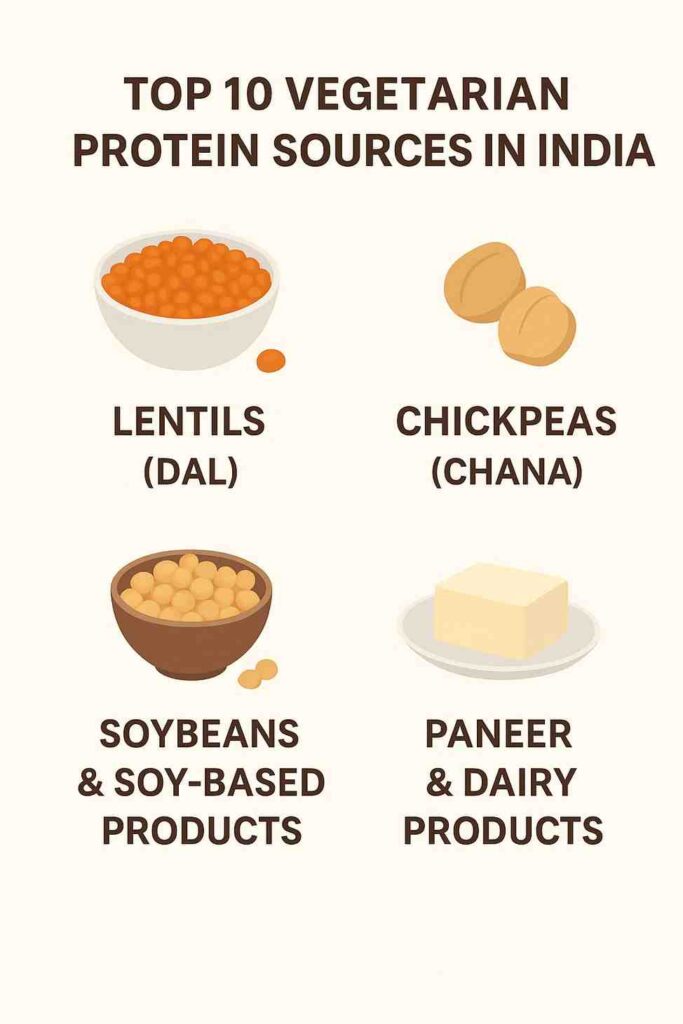
In this blog, we’ll explore the top 10 vegetarian protein sources in India, explain their benefits, and share simple ways to include them in your everyday meals
Why Protein Matters (No, It’s Not Just for Gym Bros)
Protein supports far more than muscle growth.
According to Harvard Health Publishing, protein plays a vital role in:
- Muscle repair and strength
- Hormone and enzyme production
- Immune system function
- Skin, hair, and nail health
- Satiety and weight management
For most adults, the recommended intake is 0.8–1 gram of protein per kg of body weight, depending on activity level (ICMR & WHO guidelines).
Now let’s talk food.
🥣 1. Lentils (Dal) – The Everyday Protein Hero
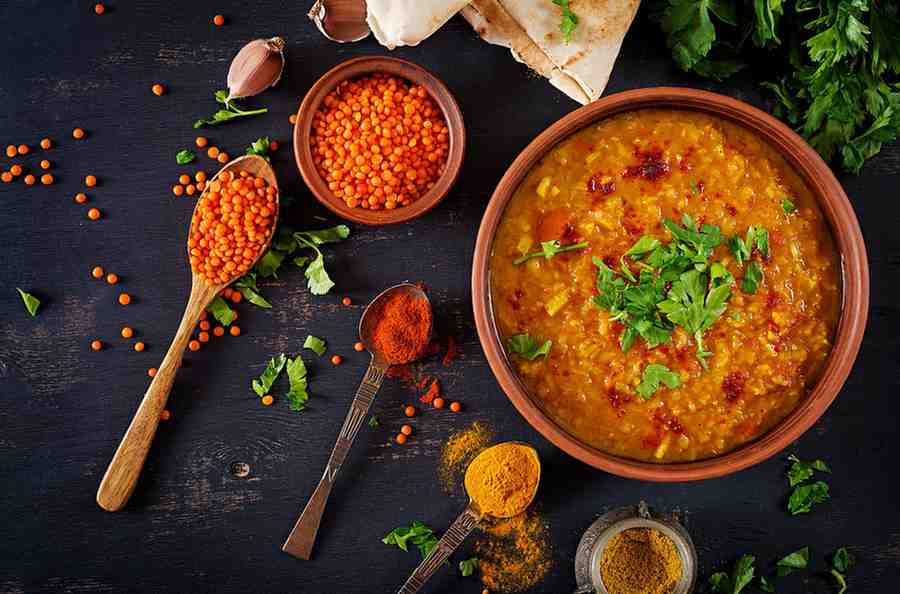
Lentils are an Indian staple and one of the best vegetarian protein sources. Whether it’s toor dal, masoor dal, or moong dal, a single cup of cooked lentils provides about 9–18 grams of protein.
💡 Tip: Combine dal with brown rice or millet to make a complete protein meal.
🧆 2. Chickpeas (Chana) – Versatile and Filling
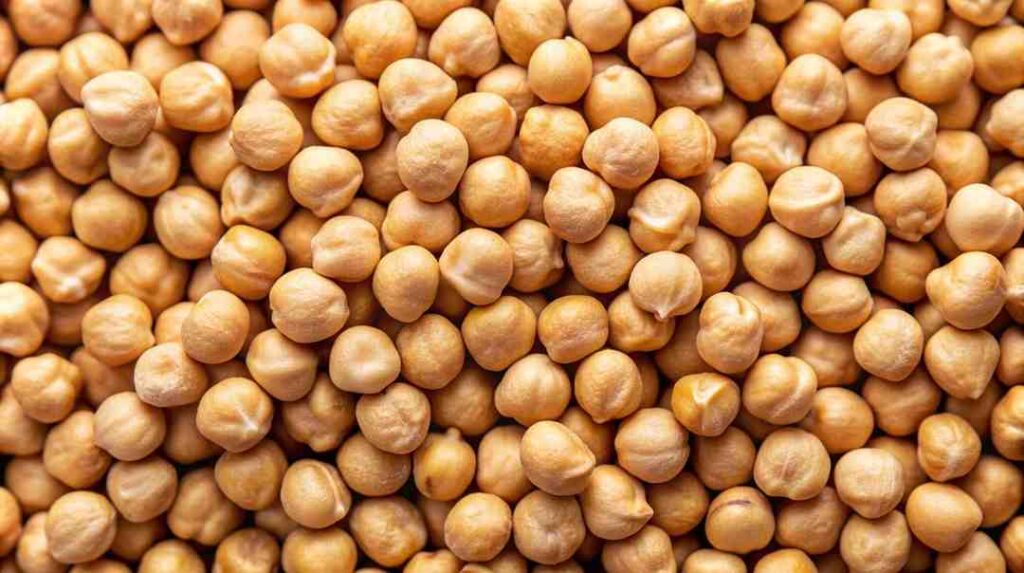
Chickpeas are loaded with both protein and fiber, making them perfect for satiety and digestion. One cup of cooked chickpeas gives around 15 grams of protein.
💡 Try This: Toss boiled chana with chopped veggies and lemon juice for a refreshing salad, or enjoy it as spicy chole with roti.
🌿 3. Soybeans & Soya Products – The Protein Powerhouse
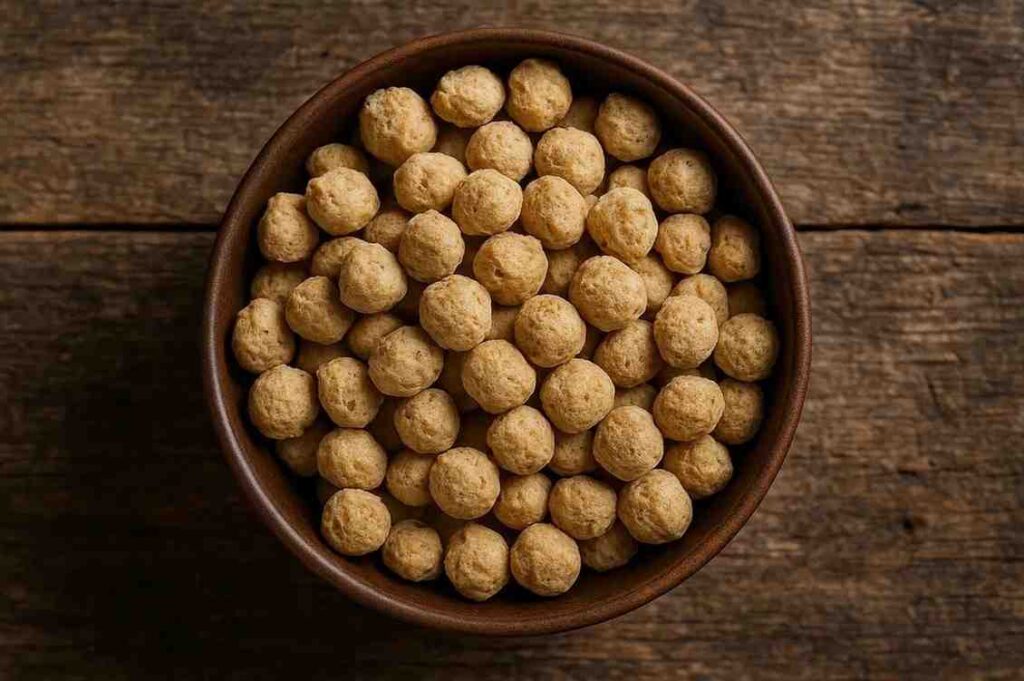
Soybeans are the ultimate vegetarian protein source — 35–52 grams of protein per 100 grams (dry). Products like tofu, soy milk, and soya chunks are packed with complete amino acids.
💡 Tip: Add tofu to stir-fries or curry, and replace paneer with tofu for a vegan twist.
🧀 4. Paneer & Dairy Products – Delicious and Nutritious
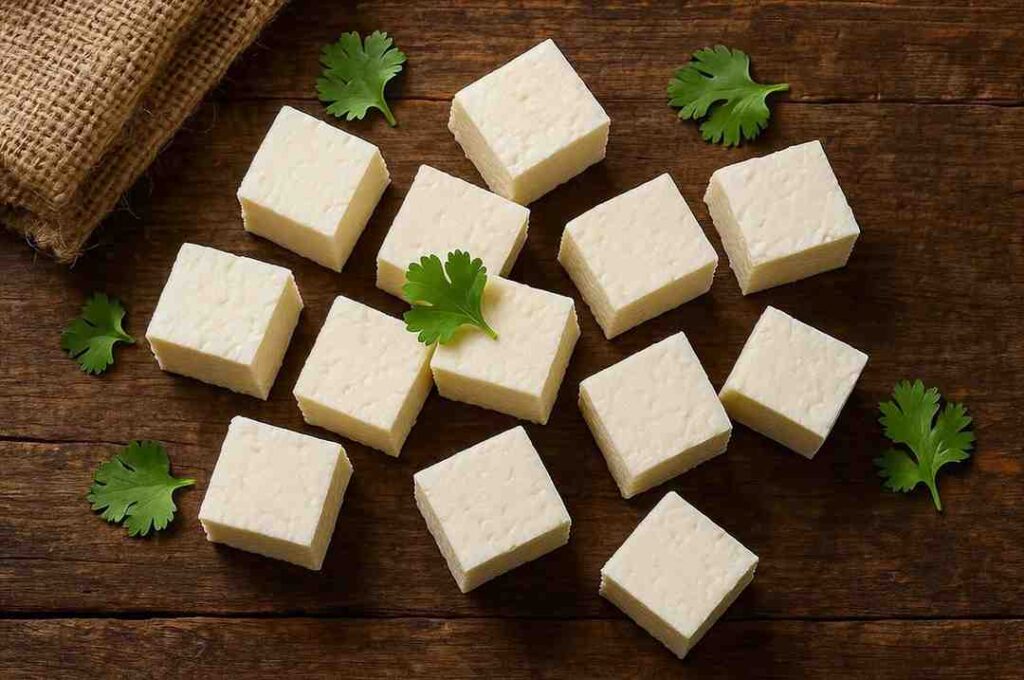
For lacto-vegetarians, paneer, curd, and milk are excellent sources of high-quality protein.100 grams of paneer delivers 18–20 grams of protein
💡 Tip: Try grilled paneer tikka, paneer bhurji, or add curd to your lunch for extra protein.
🥜 5. Nuts & Seeds – Tiny but Mighty
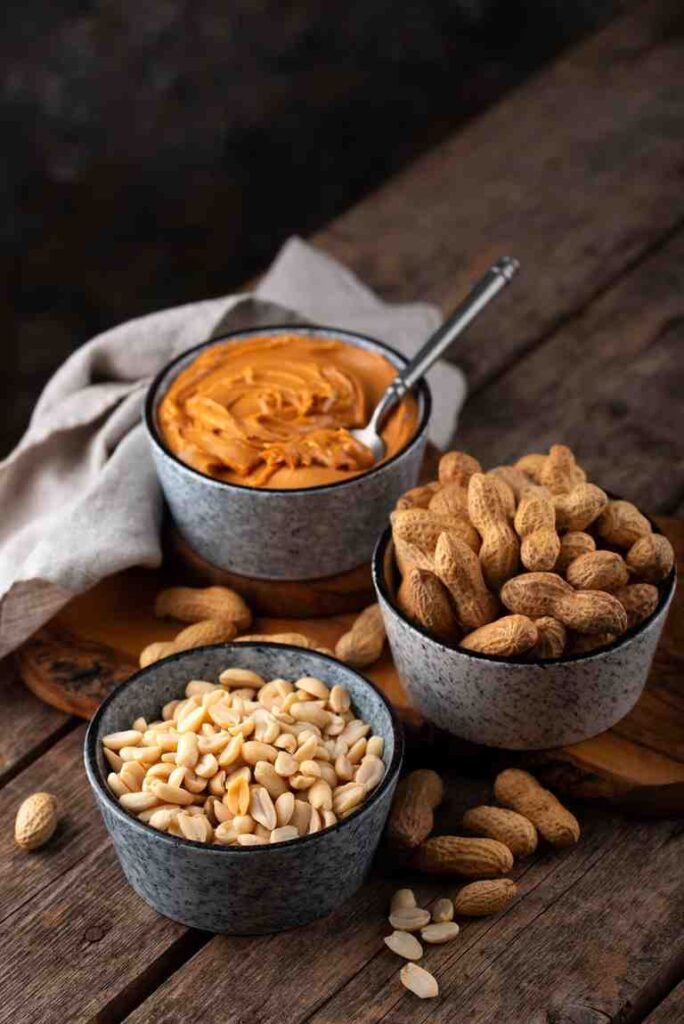
Don’t underestimate these little gems! Almonds, peanuts, chia seeds, and pumpkin seeds are protein-rich and full of healthy fats.
Protein content: 5–9g per 2 tablespoons
Seeds quietly upgrade your protein intake.
Why they deserve attention:
- High-quality plant protein
- Omega-3 fatty acids
- Mineral-rich
The World Health Organization encourages including seeds for balanced micronutrient intake.
💡 Tip: Add a handful to your breakfast smoothie or sprinkle seeds on top of your salad.
🌾 6. Quinoa & Whole Grains – The Smart Carb Choice
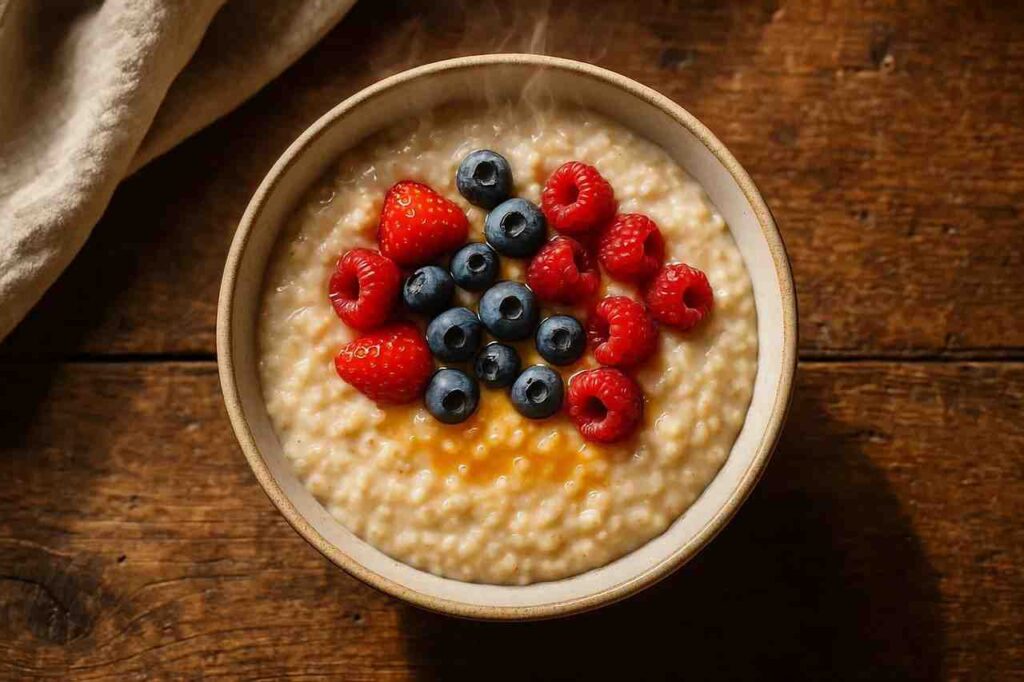
Quinoa, brown rice, oats, and millets like ragi or jowar are rich in both protein and fiber.
Protein content:
- Quinoa: 8g per cup
- Oats: 6g per cup
- Millets: 6–7g per cup
💡 Tip: Replace white rice with quinoa or add millets to your breakfast porridge.
🌱 7. Sprouts (Moong, Moth, etc.) – Fresh and Protein-Packed
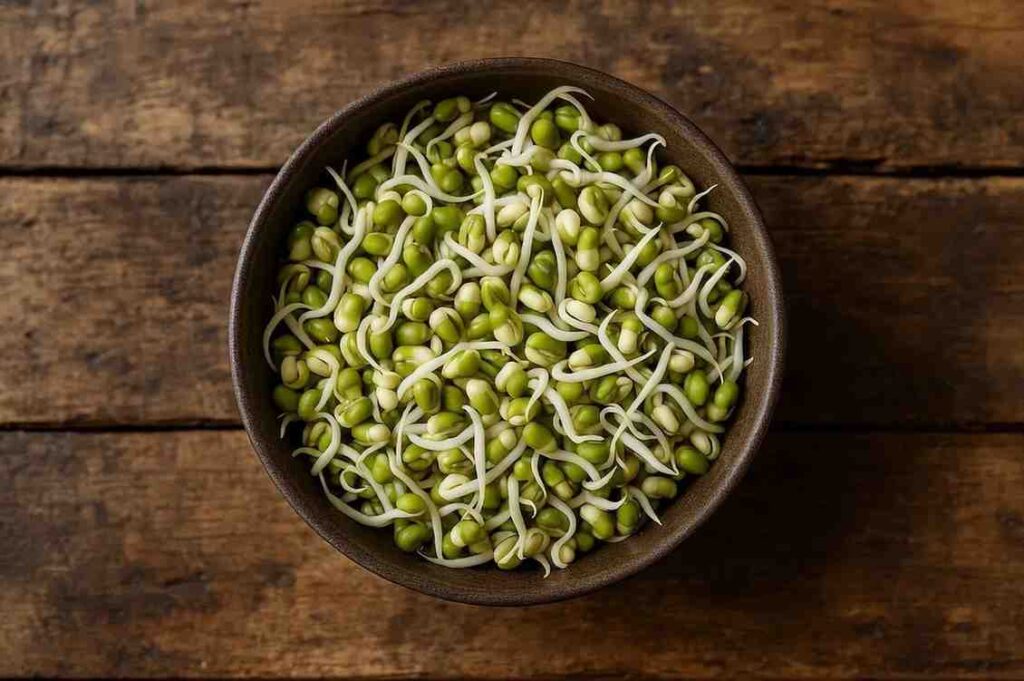
Sprouts are living foods bursting with nutrients and enzymes. They’re light, easy to digest, and provide around 3–5 grams of protein per 100 grams.
💡 Tip: Enjoy them raw in salads or lightly sautéed for a warm snack.
🌾 8. Amaranth (Rajgira) – The Ancient Supergrain
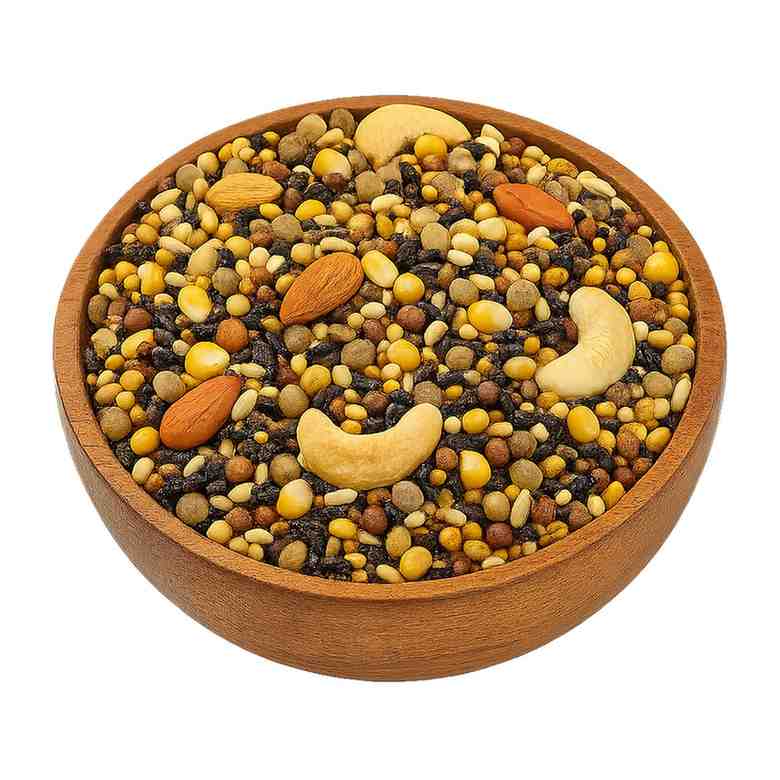
Rajgira, or amaranth, is a gluten-free grain loaded with 13–14 grams of protein per 100 grams.
💡 Tip: Use amaranth flour to make parathas or laddoos for a nutritious twist.
🫛 9. Green Peas – The Hidden Protein Veggie
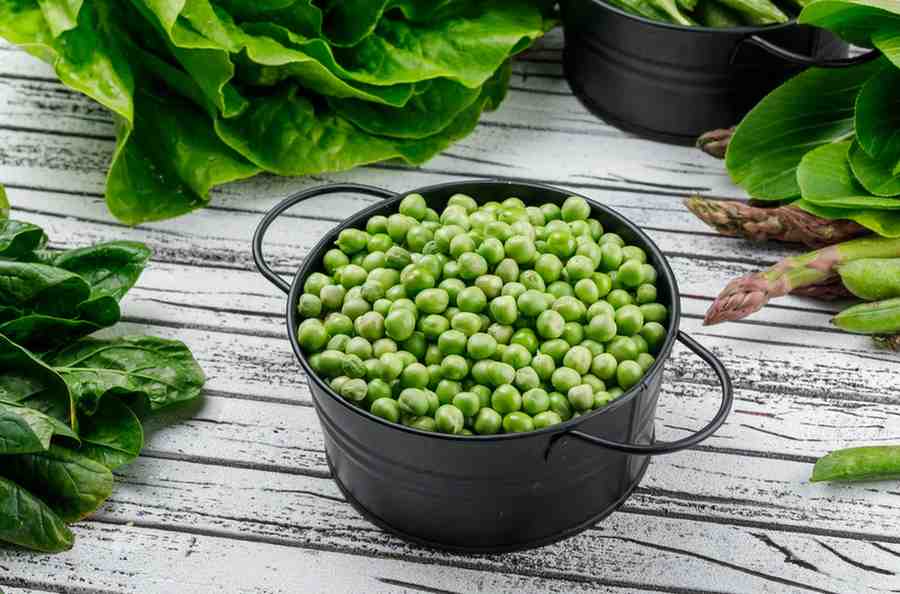
Green peas are often overlooked, but one cup offers about 5 grams of protein.
No, vegetables won’t replace dal—but they contribute meaningfully.
Why they help:
- Add plant protein density
- Improve overall nutrient balance
- Low calorie, high volume
💡 Tip: Add them to pulao, mix-veg curry, or soup for a protein boost.
🧃 10. Sattu (Roasted Gram Flour) – The Desi Protein Shake
Sattu, made from roasted chickpeas, is a traditional Indian protein drink that’s rich, energizing, and hydrating.
💡 Tip: Mix 2 tablespoons of sattu powder with cold water, lemon, and salt — a perfect summer drink!
How to Build a High-Protein Vegetarian Indian Plate
Protein works best in combinations.
A balanced plate includes:
- Dal + rice or roti
- Paneer + vegetables
- Curd + seeds
- Nuts + fruit
According to Harvard Health, combining different plant proteins ensures a complete amino acid intake over the day.
Common Protein Myths (Let’s Bust Them)
Myth: Vegetarians can’t meet protein needs
Truth: Proper planning makes it easy
Myth: Only supplements build muscle
Truth: Food-first nutrition works best
- Harvard Health Publishing
- Harvard T.H. Chan School of Public Health
- Indian Council of Medical Research (ICMR)
- World Health Organization (WHO)
Cleveland Clinic - Dietary Guidelines for Indians – 2024 (Official Document)
Myth: Plant protein is inferior
Truth: Variety covers all amino acids
Science agrees—balance beats extremes.
How Much Protein Do You Actually Need at Different Life Stages?
| Life Stage | Protein Needs | Why It Matters | Best Vegetarian Sources |
| Children & Teenagers | Moderate, consistent intake | Supports growth of muscles, bones, and tissues | Dal, curd, paneer, whole grains |
| Sedentary Adults | Steady daily intake | Maintains muscle mass and metabolic health | Dal, legumes, curd, nuts |
| Physically Active Adults | Higher intake spread across meals | Aids muscle repair and recovery | Paneer, soy, legumes, nuts, seeds |
| Women | Varies by life stage | Supports hormones, iron absorption, skin, and muscle health | Dairy, legumes, seeds, soy products |
| Older Adults (50+) | Higher-quality, easy-to-digest protein | Prevents age-related muscle loss and improves balance | Curd, dal, tofu, soaked nuts |
Key takeaway: Protein needs change with life—but vegetarian food adapts easily at every stage. Planning matters more than quantity obsession.
Do You Really Need Protein Supplements on a Vegetarian Diet?
Protein supplements dominate fitness conversations, but most vegetarians don’t actually need them.
Let’s separate facts from marketing.
When Supplements Are NOT Necessary
- You eat regular, balanced meals
- Your diet includes dal, dairy, grains, nuts, and seeds
- You meet daily calorie needs
- You don’t train intensely for muscle gain
Whole foods provide:
- Better digestion
- Higher satiety
- Additional micronutrients
- Long-term sustainability
Nutrition experts consistently recommend food-first protein intake for the general population.
This food-first approach echoes the idea that grandma was right all along, where real meals, simple ingredients, and traditional habits supported long-term health.
When Supplements MAY Help
- Very high training volume (athletes, bodybuilders)
- Poor appetite or medical conditions
- Time constraints that limit meals
- Temporary protein gaps during recovery
Even then, supplements support food—they don’t replace it.
Common Mistakes to Avoid
- Replacing meals with protein shakes
- Assuming more protein equals faster results
- Ignoring digestion and gut comfort
- Choosing low-quality supplements without testing
According to global nutrition guidelines, excess protein offers no added benefit and may strain digestion if poorly planned.
Smart Approach
- Build meals first
- Track intake occasionally, not obsessively
- Add supplements only if genuinely needed
Bottom line:
Most vegetarian Indians can meet protein needs naturally. Supplements are tools—not requirements.
Trusted Sources & References
To maintain accuracy and transparency, this article is supported by:
These institutions confirm that vegetarian diets can meet protein requirements when properly structured.
For more practical health and lifestyle guides, visit Wordsfloww.
Final Thoughts
Protein doesn’t need a non-veg label to be powerful.
India’s vegetarian foods offer nutrient-dense, affordable, and culturally familiar protein sources. When eaten consistently and combined wisely, they support strength, energy, immunity, and long-term health.
No gimmicks. No fear. Just smart food choices.
Your body doesn’t care where protein comes from—only that it gets enough of it.

Neha Bhandari is a mom and parenting writer who shares practical, easy-to-understand guidance for new parents. Through Wordsfloww, she writes about newborn care, baby sleep, feeding, early development, and the everyday challenges of parenthood. Her goal is to make the early years feel a little less overwhelming with simple, research-informed guidance and relatable experiences.