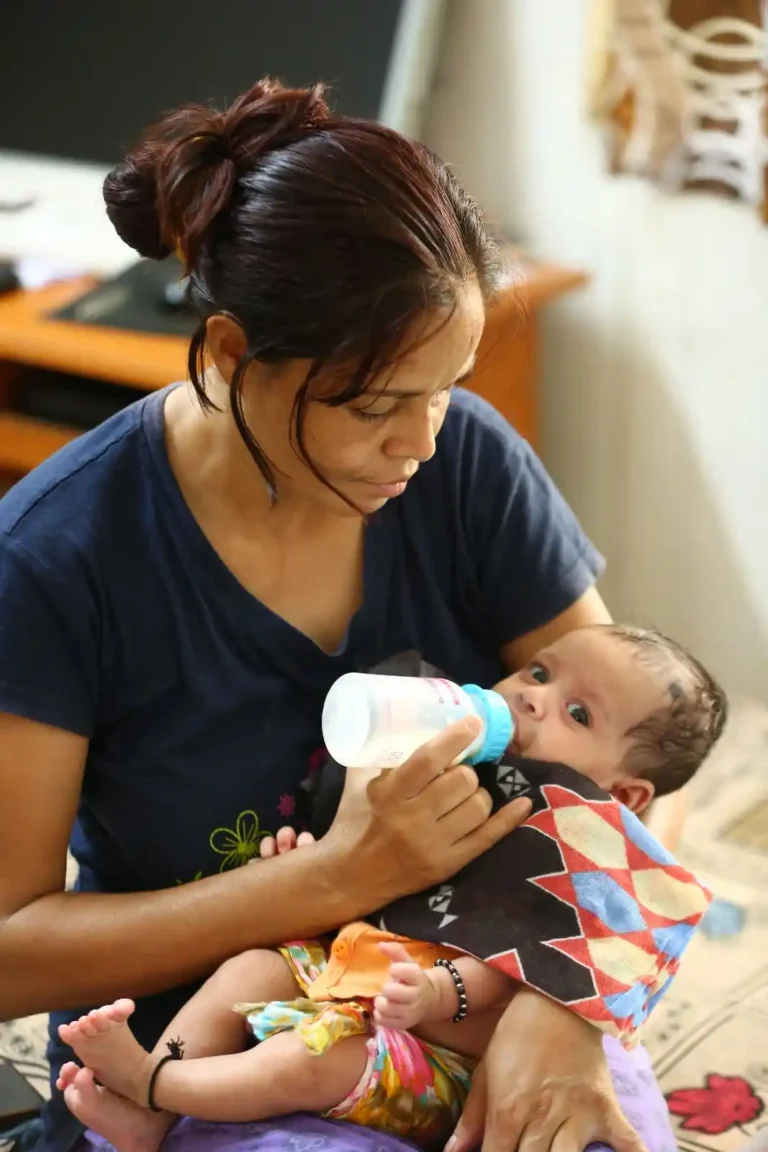


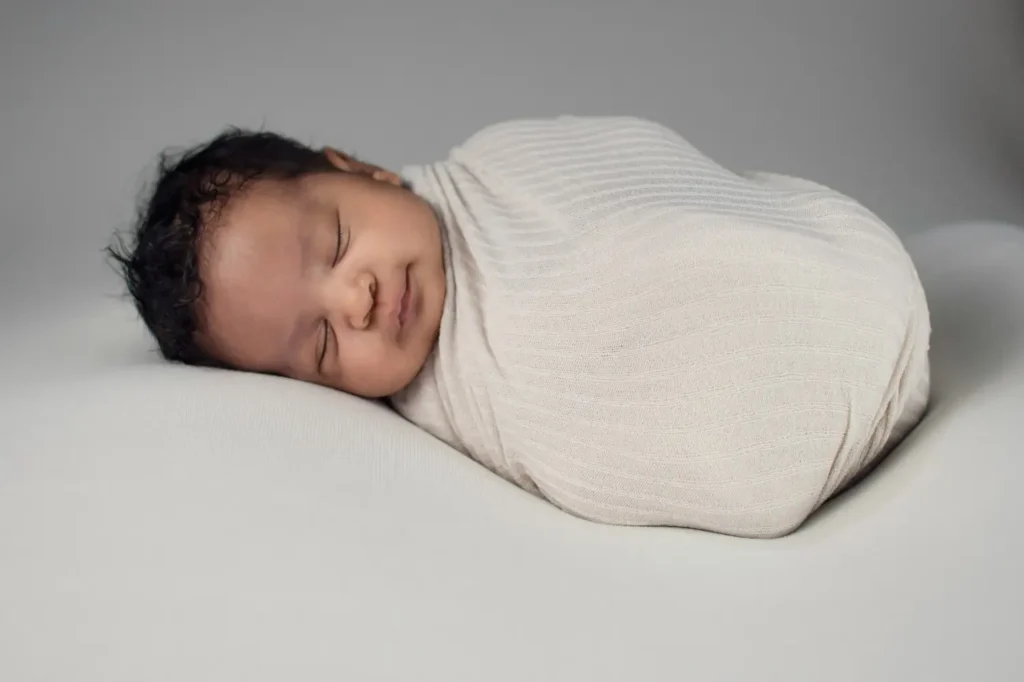
If you’ve ever stood in a dark room, rocking your baby for what feels like forever… you’re not alone.
Every tired mom has been there—arms aching, back hurting, silently praying, “Please sleep.
”The truth is, many babies get used to falling asleep only when rocked. And while it works in the beginning, it can quickly become exhausting.
“If your baby is already showing signs of an overtired baby, it can make sleep even harder.”
If you’re wondering how to help your baby sleep without rocking, gently and without tears—this guide is for you.
We’re not talking about strict training or letting your baby cry. Just simple, realistic steps that actually work for real moms.
Table of Contents
How to Make Baby Sleep Without Rocking (Quick Answer)
If you want your baby to sleep without rocking, follow these gentle steps:
- Create a consistent bedtime routine
- Put your baby down drowsy but awake
- Replace rocking with patting or soothing
- Reduce rocking gradually over time
- Stay consistent every night
👉 This helps your baby learn to fall asleep independently without stress.
🌙 Why Babies Depend on Rocking to Sleep
Before changing anything, it helps to understand why this happens.
Rocking becomes a sleep association.
👉 Your baby learns:
“Rocking = sleep”
So when they wake up (which is normal), they look for the same thing again.
Following a proper baby sleep schedule by age can help reduce this dependency over time
Common reasons:
- Motion reminds them of the womb
- It feels comforting and secure
- They don’t yet know how to self-settle
- It became part of the bedtime habit
💛 Important: This is not your fault. You were just doing what worked.
👶 Signs Your Baby Is Dependent on Rocking
Not sure if this is your situation? Look for these signs:
- Baby sleeps only when rocked
- Wakes up when you stop moving
- Needs rocking multiple times at night
- Takes long to settle without movement
- Cries if put down awake
👉 If this feels familiar—you’re exactly where many moms are.
🌿 Can Babies Learn to Sleep Without Rocking?
Yes. Gently. Slowly. And without guilt.
Babies are capable of learning new sleep habits—but they need:
- Consistency
- Comfort
- Time
This is not about “training” your baby.
It’s about teaching them a new way to feel safe while sleeping.
🌙 How to Make Baby Sleep Without Rocking (Step-by-Step)

Let’s keep this simple and realistic.
🌼 1. Start With a Calm Bedtime Routine
A predictable routine tells your baby:
👉 “Sleep is coming.”
Keep it simple:
- Feed
- Change diaper
- Dim lights
- Gentle cuddle
- Soft lullaby
👉 Do this every night at the same time.
“This works best when you also understand your baby’s wake windows for babies.”
🌼 2. Reduce Rocking Gradually (Not Suddenly)
Don’t stop rocking overnight—it can overwhelm your baby.
Instead:
- Rock a little less each night
- Slow down the motion
- Stop before baby is fully asleep
👉 Goal: baby gets drowsy, not fully asleep.
🌼 3. Put Baby Down Drowsy but Awake
This is the most important step.
Your baby should:
- ✔ Feel sleepy
- ✔ Feel safe
- ❌ Not be fully asleep
This helps them learn:
👉 “I can fall asleep here too.”
🌼 4. Replace Rocking With Gentle Comfort
Instead of rocking, try:
- Patting
- Soft shushing
- Holding their hand
- Gentle tapping on chest
👉 You’re not removing comfort—you’re just changing it.
🌼 5. Give Your Baby a Chance
Sometimes babies just need a moment.
Pause before picking them up.
- Wait 20–30 seconds
- See if they settle
- Then respond gently
👉 This builds confidence slowly.
🌼 6. Stay Consistent (This is everything)
The biggest mistake?
👉 Doing it for 2 days… then going back to rocking.
Consistency is what teaches your baby.Even small progress matters.
🌙 How to Transition From Rocking to Independent Sleep (Step-by-Step Plan)
If you’re unsure where to start, follow this simple plan:
Day 1–3:
- Rock until drowsy (not asleep)
- Put baby down earlier than usual
Day 4–6:
- Reduce rocking time
- Use patting instead
Day 7–10:
- Put baby down awake
- Offer comfort without picking up immediately
👉 Small changes = big results over time.
🚨 Why Rocking Becomes a Problem Over Time
While rocking helps in the early months, it can:
- Create sleep dependency
- Cause frequent night wakings
- Make naps harder
- Exhaust parents physically
👉 That’s why gently transitioning matters.

⚠️ Common Mistakes to Avoid
This is where many moms struggle (and it’s okay).
- ❌ Stopping rocking suddenly
- ❌ Changing methods every day
- ❌ Expecting quick results
- ❌ Putting baby down too awake or too late
- ❌ Overstimulating before bedtime
👉 Keep it simple. Keep it gentle.
😴 What If Your Baby Cries?
This is the hardest part.
Crying doesn’t mean you’re doing something wrong.
But there’s a difference between:
- “I need comfort” crying
- “I’m adjusting” fussiness
- 👉 Stay nearby
- 👉 Offer reassurance
- 👉 Don’t leave your baby feeling alone
You’re guiding—not abandoning.
💛 Mom Truth
Some nights will go smoothly.
Some nights won’t.
You might feel like you’re starting over again.
But you’re not.
Every small step is helping your baby learn something new.
And you? You’re doing better than you think.
🌙 Realistic Expectations
Let’s be honest:
👉 This is NOT a one-night fix.
You may see:
- Small changes in 3–5 days
- Better patterns in 1–2 weeks
But every baby is different.
Progress over perfection.
🧠 Pro Tips That Make It Easier
- Watch sleep cues (don’t wait too long)
- Keep bedtime early (7–8 PM works for many babies)
- Avoid overstimulation before sleep
- Use the same sleep space daily
- Keep night interactions minimal
“Watching sleep cues and following proper wake windows for babies can prevent overtiredness.”
Helpful Baby Sleep Guides for Moms
To make your baby sleep routine easier, explore these guides:
- 👉 Learn the Signs of an overtired baby
- 👉Follow a Baby sleep schedule by age
- 👉 Understand Wake windows explained
If this helped you, explore more gentle parenting guides on Worhttps://wordsfloww.com/dsfloww—created for real moms, real struggles, and real solutions.
🌙 How Your Baby’s Personality Affects Sleep (And Why It Matters)
Not all babies respond to sleep changes in the same way — and this is something many guides don’t talk about.
Some babies are naturally calm and adjust quickly.
Others are more sensitive, alert, or dependent on comfort.
👉 And that’s completely normal.
Understanding your baby’s personality can actually make it easier to help them sleep without rocking.
👶 Different baby temperaments (simple understanding)
- Easy-going babies: These babies adapt quickly to small changes. They may accept reduced rocking within a few days.
- Sensitive babies: They get overstimulated easily and may resist changes more. They need extra reassurance.
- Active babies: These babies are curious and energetic. They may fight sleep more and take longer to settle.
💡 What this means for you
If your baby is more sensitive or active:
- They may cry more during changes
- They may need slower transitions
- They may take longer to adjust
👉 And that’s okay.
It doesn’t mean your approach is wrong.
It just means your baby needs a gentler pace.
🌿 How to adjust based on your baby
- For sensitive babies:Stay close, offer touch, and reduce rocking very gradually
- For active babies:Focus on calming routines before sleep
- For easy-going babies:You can move slightly faster with changes
💛 Mom truth:
Sometimes we think, “Why isn’t this working?
”But the real answer is — your baby is just different
.And different doesn’t mean difficult.
⏰ Day Sleep vs Night Sleep: Why Both Matter More Than You Think
Many parents focus only on bedtime — but daytime sleep plays a huge role in how your baby sleeps at night.
👉 If naps are off, night sleep becomes harder.
This is one of the biggest hidden reasons why babies rely more on rocking.
🌤️ Why daytime sleep affects night sleep
When babies don’t nap well:
- They become overtired
- Their body produces stress hormones
- They get harder to settle
- Night wakings increase
👉 This creates a cycle: Less naps → more overtired → more rocking needed
“If daytime sleep is a struggle too, read why baby won’t sleep during the day.”
🧠 The balance your baby needs
Your baby needs the right mix of:
- Daytime naps
- Wake time
- Night sleep
Not too much. Not too little.
⚠️ Signs daytime sleep is affecting nights
- Baby is very fussy in evening
- Takes long to fall asleep
- Wakes up frequently at night
- Needs more rocking than usual
🌙 How to improve both together
- Keep naps consistent (even short naps help)
- Avoid skipping naps to “tire out” baby
- Watch sleep cues during the day
- Maintain similar sleep environment for naps and nights
👉 When naps improve, night sleep naturally becomes easier.
And when sleep becomes easier…
👉 your baby depends less on rocking.
💛 Gentle reminder
You don’t need perfect naps.
Even small improvements in daytime sleep can:
- Reduce fussiness
- Improve bedtime
- Help your baby settle more easily
🆚 Rocking vs Independent Sleep: What’s the Difference?
- Rocking = external soothing (baby depends on movement to sleep)
- Independent sleep = self-settling (baby learns to fall asleep on their own)
👉 Independent sleep can lead to:
- Fewer night wakings
- Better sleep cycles
- Less dependency on external help
💛 This doesn’t mean stopping comfort — it means gently helping your baby feel secure in a new way.
🌿 Conclusion
Helping your baby sleep without rocking isn’t about doing things perfectly.
It’s about creating a gentle, consistent routine where your baby feels safe—even without constant motion.
Some nights will feel hard.
Some days you’ll doubt yourself.
But slowly, your baby will learn.
And one day, you’ll put them down… and they’ll just sleep.
💛 You’re not just teaching sleep.You’re building trust.
❓ FAQs
1. Can I stop rocking my baby to sleep suddenly?
It’s not recommended. Gradual changes are gentler and help your baby adjust without stress.
2. At what age can babies sleep without rocking?
Most babies can start learning around 3–4 months, but it depends on your baby’s readiness.
3. Why does my baby wake up when I stop rocking?
Because rocking has become a sleep association. Your baby expects the same condition to stay asleep.
4. Is it okay to rock my baby sometimes?
Yes. Comforting your baby is always okay. The goal is balance, not perfection.
5. How long does it take for babies to adjust?
Usually 1–2 weeks with consistency, but every baby is different.
Why does my baby only sleep when rocked?
Babies sleep when rocked because the motion feels comforting and familiar, like the womb. They form a sleep association, relying on rocking to fall asleep and settle between normal night wakings.
💛 You’re not just teaching sleep.You’re building trust.

Neha Bhandari is a mom and parenting writer who shares practical, easy-to-understand guidance for new parents. Through Wordsfloww, she writes about newborn care, baby sleep, feeding, early development, and the everyday challenges of parenthood. Her goal is to make the early years feel a little less overwhelming with simple, research-informed guidance and relatable experiences.